
MIDTOWN MANHATTAN · 274 MADISON AVENUE
Dental Crowns in Midtown Manhattan
Custom crowns that protect cracked, worn or weakened teeth and restore the way they look and work.
- 4.9 rating from 409 Google reviews
- Platinum Invisalign Provider 2025
- FICOI · FAAIP implant fellowships
- Open Sundays and two evenings a week
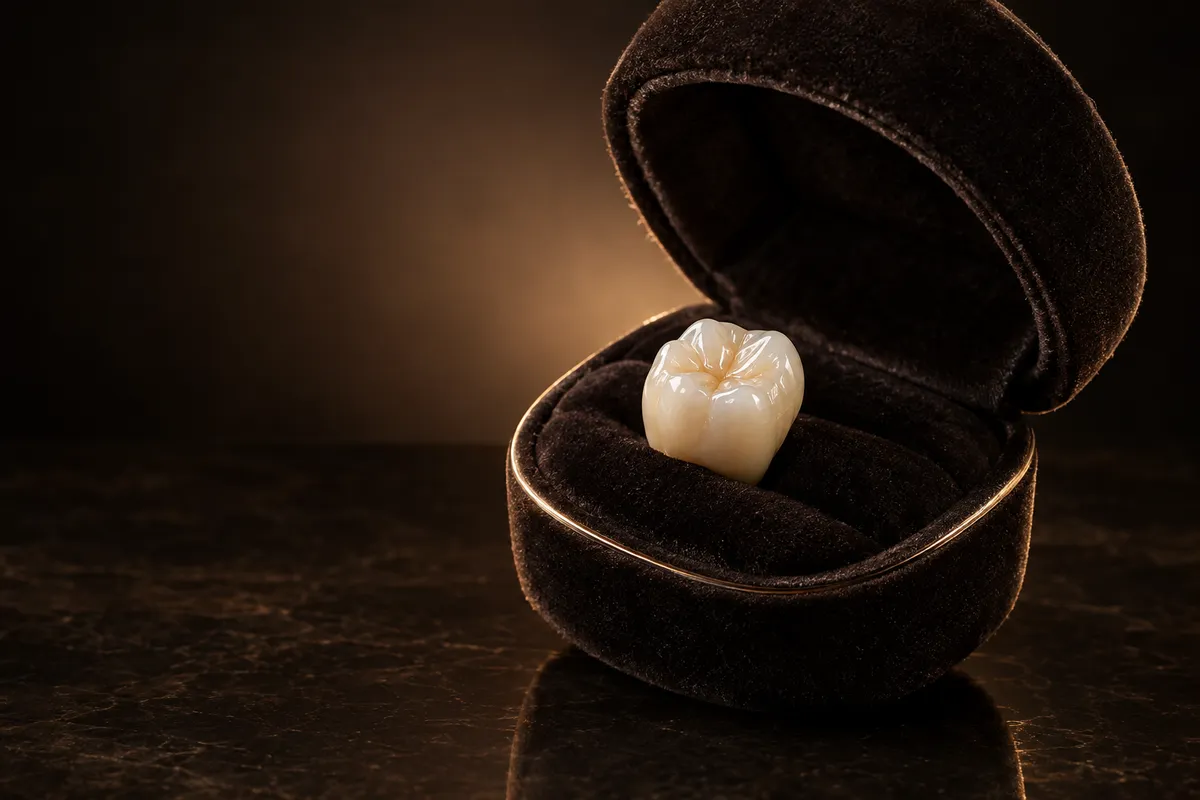
Dentist on Madison places dental crowns in Midtown Manhattan from its office at 274 Madison Avenue. A dental crown is a tooth-shaped cap that fits over a weakened tooth and lets you keep using it. Dr. Avner places crowns on teeth that are cracked, worn down or weakened by large fillings, and on top of dental implants. Our practice has its own on-site dental laboratory, which we use for restorations such as crowns.
When a crown can help
A crown is usually the right repair when a tooth is too damaged for a filling but still worth saving. Dr. Avner may suggest one if you have:
- a large cavity, or an old filling that takes up much of the tooth
- a cracked tooth, or a broken cusp on a back tooth
- teeth worn down by grinding or clenching
- a back tooth that has had root canal treatment and needs protection from breaking
- a tooth that is badly discolored or misshapen, when a more conservative option won't work
- a dental implant that needs a tooth on top
Crowns also anchor a traditional dental bridge on the teeth beside a gap.
A crown is a good option when the tooth has a healthy root, healthy gums around it and enough structure left to hold it. Dr. Avner believes in conservative dentistry, so we first check whether a filling or a smaller restoration would be enough. If the tooth can't be restored, he will explain other options.
What a dental crown is
A crown covers the whole visible part of a tooth, down to about the gumline. It restores the tooth's shape and size and holds what is left of the tooth together. Once it is cemented or bonded in place, you can't take it out, and you brush and floss around it like a natural tooth.
Crowns are made from several kinds of material, each with trade-offs:
- All-ceramic or porcelain. These can be matched closely to the color of your teeth, so they are a common choice where appearance matters.
- Porcelain fused to metal. A metal inner layer adds strength, and a tooth-colored outer layer covers it.
- Metal alloys, such as gold. These are very strong and need less of the tooth removed, but they don't look like natural teeth.
The right material depends on where the tooth is, how much of it remains, how hard you bite and how much its appearance matters to you. A crown on an implant looks and works the same way above the gum, but it is attached to the implant instead of a natural tooth.
Benefits and what to expect
A crown can:
- protect a cracked or weakened tooth from breaking further
- let you chew comfortably on that side again
- restore the tooth's shape and, with tooth-colored materials, its appearance
- help you keep a natural tooth that might otherwise need to be removed
The work happens in two stages: preparing the tooth, then placing the final crown. After each stage, the tooth may be sensitive to hot or cold for a few days. If your bite feels high once the numbness wears off, call us; a small adjustment usually takes care of it.
Results vary, and what is realistic for your tooth can only be judged after an examination.
How getting a crown works, step by step
- Exam and X-rays. Dr. Avner examines the tooth, takes X-rays and checks the root, the gum and your bite. If the nerve is infected or inflamed, the tooth may need a root canal before the crown.
- Treatment plan. We talk through your options, including whether a smaller restoration would do, which material suits the tooth, and the fee.
- Preparing the tooth. After numbing the area, we remove any decay or failing filling, rebuild the core of the tooth if too little remains, and shape it so the crown can fit over it.
- Impression and shade. We record the exact shape of the prepared tooth and its neighbors and choose a shade that blends with the teeth around it.
- Temporary crown. If you need to wait for the final crown, a temporary one protects the tooth in the meantime. Avoid sticky and very hard foods on that side while you wear it.
- Fitting the final crown. We check the fit at the edges, the contact with neighboring teeth, your bite and the color, then cement or bond the crown in place.
After that, brush twice a day, clean between your teeth daily and keep up with regular checkups and cleanings so we can keep an eye on the crown.

YOUR DENTIST
Dr. Avner C. Mullokandov
D.D.S., FICOI, FAAIP
Dr. Avner C. Mullokandov, D.D.S., is a cosmetic and implant dentist and a native New Yorker practicing on Madison Avenue in Manhattan. He speaks English, Spanish, Russian and Farsi.
Read Dr. Avner’s profileCOST, INSURANCE AND PAYMENT
Cost, insurance and payment
The cost of a crown depends on the tooth, the material and whether you need other treatment first, such as a core buildup or a root canal. Ask us for the fee for your treatment plan before you decide.
What your insurance pays toward a crown depends on your plan. The 20 insurance carriers we accept are listed on our insurance page. Finding your carrier there doesn't mean your plan covers a crown, so check your benefits with your insurer as well. You can pay with cash, a check or a major credit card, and payment plans are available through Cherry, subject to Cherry's approval. See our payment options for details.
QUESTIONS
Frequently asked questions
How long does a dental crown last?
There's no fixed lifespan. Crowns can chip, wear or come loose over time, and the tooth underneath can still decay where the crown meets it. How long yours lasts depends on the material, your bite, whether you grind your teeth and how well you clean around it, so daily brushing, cleaning between your teeth and regular checkups make a real difference.
Does getting a crown hurt?
We numb the tooth and the gum around it before we prepare it, so you should feel pressure and vibration rather than sharp pain. When the anesthetic wears off, some soreness and sensitivity to temperature for a few days are common. If the pain gets worse instead of better, or your bite feels off, call the office.
Can I get a crown in one visit?
Our on-site dental laboratory is used for restorations such as crowns, but we can't promise a single-visit crown for every case. The timeline depends on the condition of the tooth, whether it needs treatment first, the material and the design of the crown. Dr. Avner will tell you how many visits to plan for after he examines the tooth.
Will my crown look natural?
Tooth-colored crowns are shaded and shaped to blend in with the teeth around them, and we choose the shade with you. If you want whiter teeth, consider teeth whitening before the shade is chosen, because crowns don't change color with whitening.
What's the difference between a crown and a veneer?
A veneer is a thin shell bonded to the front of a tooth to change how it looks. A crown covers the whole tooth and is used when the tooth also needs strength and protection. For a healthy front tooth that only needs a cosmetic change, veneers may be the more conservative choice.
What should I do if my crown comes off?
Keep the crown, avoid chewing on that side and call the office. We see urgent problems such as broken teeth during office hours, and our emergency dental care page explains what to do. Don't glue the crown back on with household glue. For a medical emergency, call 911.
Related treatments
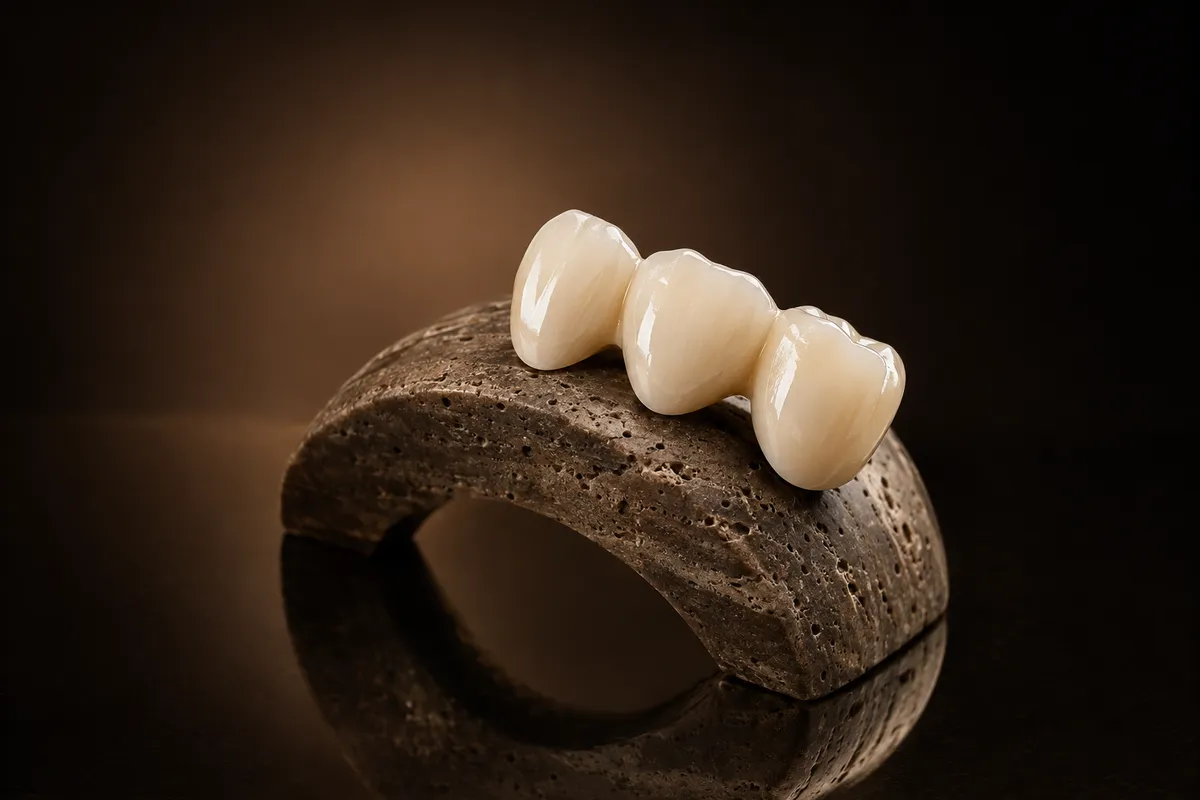
Dental bridges
Fixed replacement teeth for a gap in your smile, supported by the teeth beside it or by dental implants.
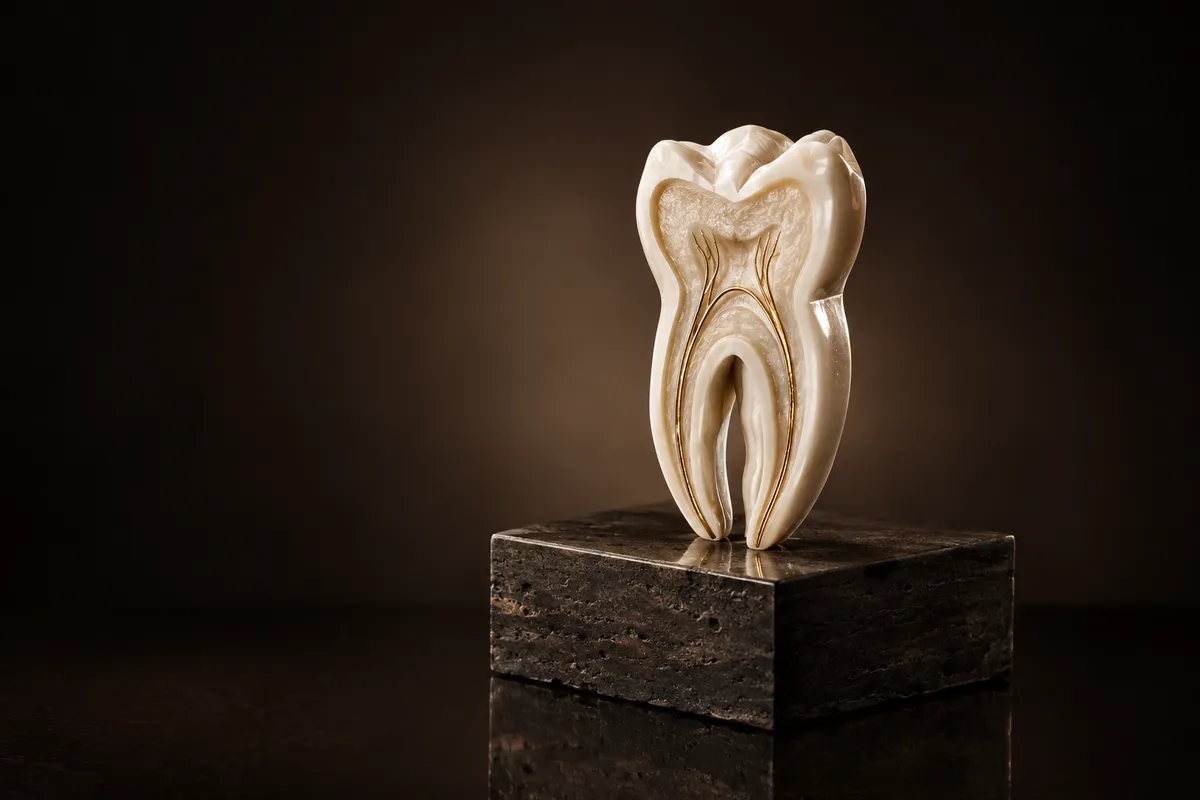
Root canal treatment
When the nerve inside a tooth is inflamed or infected, root canal treatment can clear the problem and let you keep your own tooth.
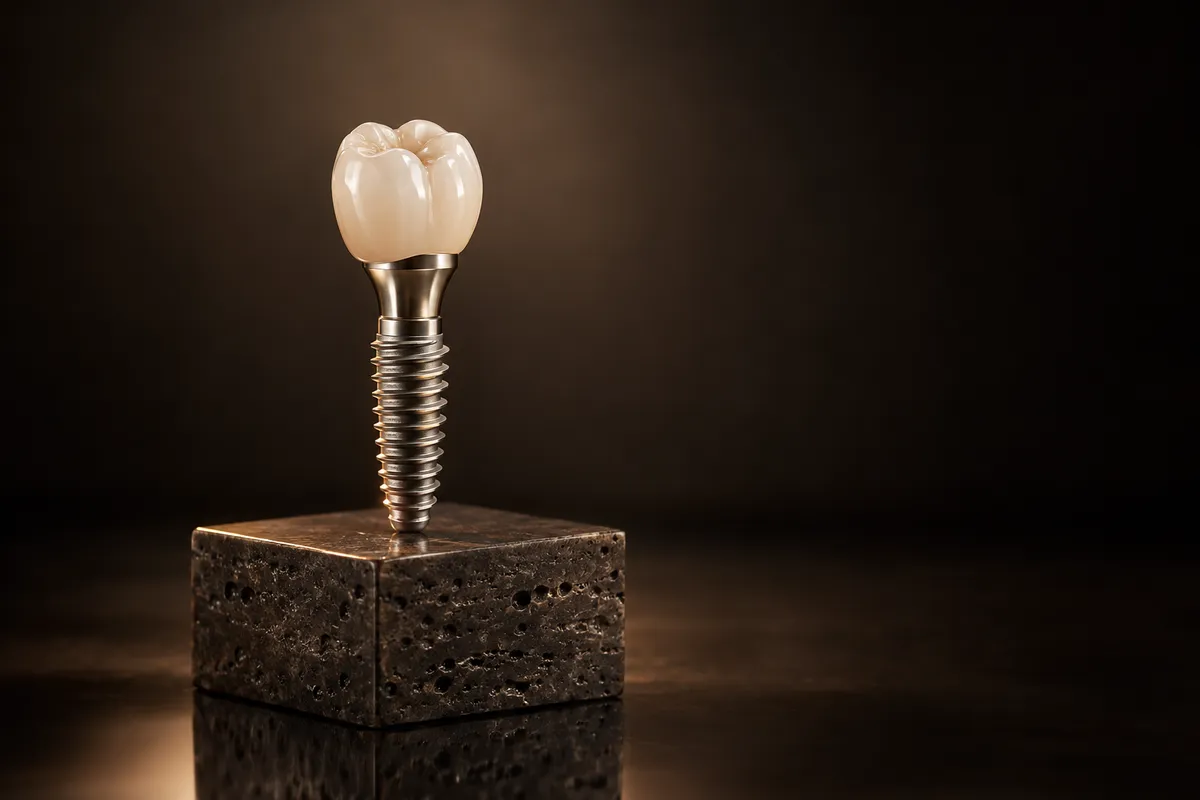
Dental implants
Fixed replacement teeth for one or several gaps, anchored in the jawbone and planned around your bite, bone and health.
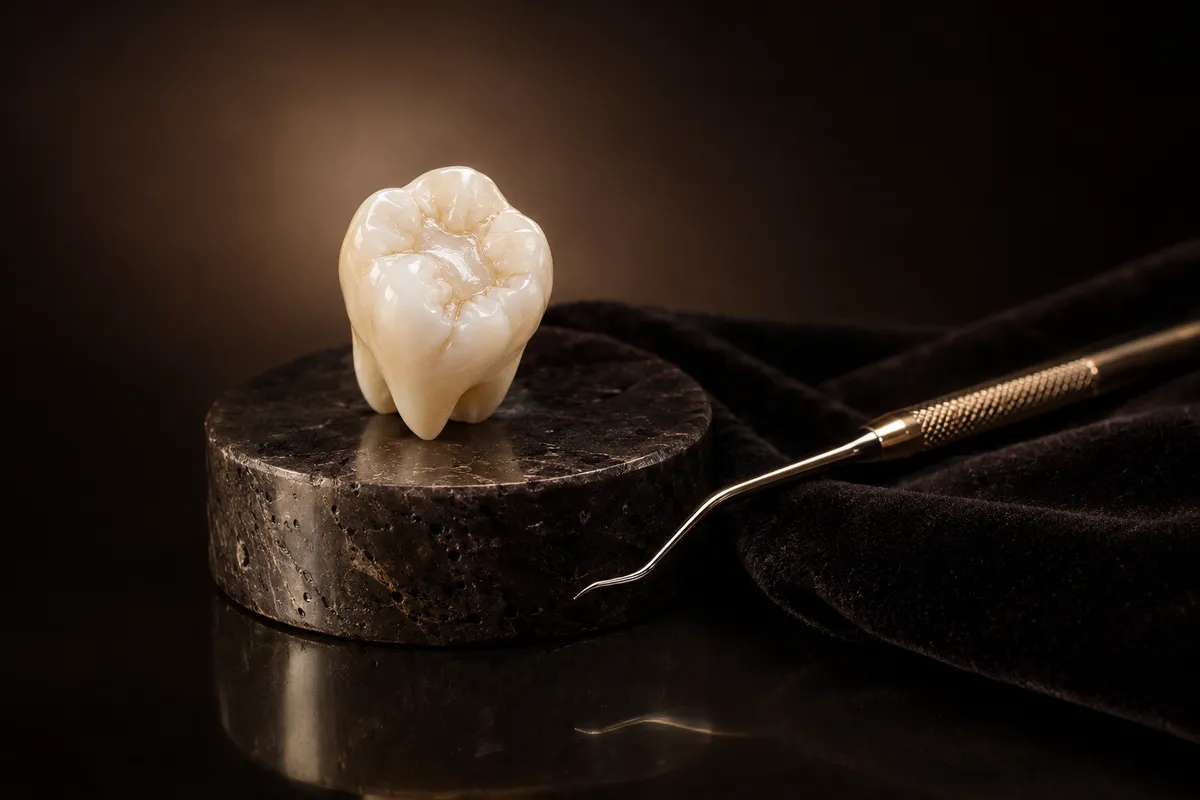
Dental fillings
Tooth-colored fillings that repair cavities and restore your tooth's shape, shaded to blend in with the teeth around them.
Further reading
VISIT US
Talk with us about dental crowns.
Request an appointment online or call the office. A request is not a confirmed appointment; our front desk will contact you.
Dentist on Madison
274 Madison Ave, Rm 202, New York, NY 10016Madison Avenue at East 40th Street, Midtown Manhattan
- Monday & Thursday
- 12 PM to 8 PM
- Tuesday
- 11 AM to 5 PM
- Wednesday
- 10 AM to 6 PM
- Friday
- 8 AM to 5 PM
- Sunday
- 10 AM to 5 PM
- Saturday
- Closed