
MIDTOWN MANHATTAN · 274 MADISON AVENUE
Tooth-Colored Dental Fillings in Midtown Manhattan
Tooth-colored fillings that repair cavities and restore your tooth's shape, shaded to blend in with the teeth around them.
- 4.9 rating from 409 Google reviews
- Platinum Invisalign Provider 2025
- FICOI · FAAIP implant fellowships
- Open Sundays and two evenings a week
A filling is the usual way to repair a cavity caused by tooth decay. At our office on Madison Avenue, we remove the decay and rebuild the tooth with tooth-colored material shaded to match. Treating a cavity early keeps the repair smaller and saves more of your natural tooth.
Signs you may need a filling
Tooth decay starts when bacteria in plaque feed on sugars and produce acids that weaken the enamel. Left alone, it spreads into the softer layer underneath and can eventually reach the nerve. Early cavities often cause no symptoms at all, which is why regular checkups matter. As decay grows, you may notice:
- sensitivity to sweets, hot drinks or cold
- a toothache, or pain when you bite down
- a visible hole, pit or dark spot on a tooth
- food catching in the same place, or floss that shreds there
- a rough or broken edge you can feel with your tongue
Fillings also repair small chips and worn areas and replace old fillings that have cracked, worn or started to leak. They suit damage that is small to moderate. When a cavity is very large or a tooth is cracked, a dental crown may protect it better. When decay has reached the nerve, the tooth may need root canal treatment.
What a tooth-colored filling is
Tooth-colored fillings are usually made of composite resin, which combines a plastic resin with tiny glass-like filler particles. The material is bonded to the tooth, built up in thin layers and hardened with a special light. Because it bonds to the tooth, the cavity often doesn't need to be cut into a particular shape to hold the filling, so more healthy tooth can be kept. That fits Dr. Avner's conservative, preventive approach to dentistry.
Other materials have their own uses. Glass ionomer releases a small amount of fluoride and is often used where chewing forces are light, such as near the gumline. Larger repairs may call for an inlay or onlay, a piece made to fit the tooth and then cemented or bonded in place. Silver-colored amalgam, a durable metal mix, is found in many older fillings. Each material has trade-offs in strength, appearance and cost, and Dr. Avner will explain what suits your tooth.
Sometimes a temporary filling comes first, for example to settle a sensitive tooth or to protect it between visits while a longer-term repair is planned.
Benefits and what to expect
A filling:
- removes the decay so it can't keep spreading at that spot
- restores the shape of the tooth so you can chew normally
- seals the area so food and bacteria don't collect in the hole
- matches the color of the tooth around it when tooth-colored material is used
A filling is usually done in one visit. Your lip, cheek or tongue may stay numb for a few hours afterward, so wait until the feeling returns before you eat to avoid biting yourself. Composite is hardened by the light before you leave, so there's no waiting for it to set.
Some sensitivity to cold, sweets or biting pressure is common for a short time, especially after a deeper filling. If it gets worse, doesn't settle after a few weeks, or your bite feels high, call us. Results vary, and what to expect for your tooth depends on an examination.
We're open until 8 PM on Mondays and Thursdays and on Sundays, which can make it easier to fit a filling around work.
How a filling is done, step by step
- Exam and X-rays. Dr. Avner checks the tooth and takes X-rays to see how far the decay goes, including between teeth, where cavities are hard to see.
- Numbing. We numb the tooth and the gum around it with a local anesthetic.
- Removing the decay. The decayed and weakened tooth structure is removed, and the cavity is cleaned.
- Bonding. The tooth surface is prepared so the filling material bonds firmly to it.
- Layering and curing. Composite in a shade matched to your tooth is placed in thin layers, and each layer is hardened with a curing light.
- Shaping and bite check. We shape and polish the filling, then check your bite and adjust it so it feels even.

YOUR DENTIST
Dr. Avner C. Mullokandov
D.D.S., FICOI, FAAIP
Dr. Avner C. Mullokandov, D.D.S., is a cosmetic and implant dentist and a native New Yorker practicing on Madison Avenue in Manhattan. He speaks English, Spanish, Russian and Farsi.
Read Dr. Avner’s profileCOST, INSURANCE AND PAYMENT
Cost, insurance and payment
The fee for a filling depends on its size, how many surfaces of the tooth it covers, the material and how many teeth need treatment. Ask us for the fee before treatment begins.
Coverage depends on your insurance plan. The 20 carriers we accept are listed on our insurance page. Finding your carrier there doesn't mean your plan covers a filling, so check your benefits with your insurer. You can pay with cash, a check or a major credit card, and payment plans are available through Cherry, subject to Cherry's approval. See our payment options.
QUESTIONS
Frequently asked questions
Can a cavity heal on its own?
Not once a hole has formed. In the earliest stage, when the enamel has only lost some minerals and shows as a chalky white spot, fluoride and better habits can sometimes help it recover. Once decay breaks through the enamel, it needs to be removed and filled, and waiting usually means a bigger repair later.
Does getting a filling hurt?
We numb the tooth before we start, so you should feel pressure and vibration rather than pain. Some sensitivity afterward is common and usually fades. If you feel nervous, tell us, and we'll explain each step before we do it.
How long do tooth-colored fillings last?
There's no fixed lifespan. It depends on the filling's size and location, how hard you bite, whether you grind your teeth and how well you keep the edges clean. At checkups we look for wear, chips or new decay around older fillings so they can be repaired or replaced before a bigger problem develops.
Should I replace my old silver fillings?
Not automatically. An old metal filling that is cracked, leaking or has decay around it should be replaced, and tooth-colored material is often a good option. If it's intact, replacing it is mostly a cosmetic choice, and removing any filling also removes some tooth structure. Dr. Avner will check your fillings and talk through the pros and cons with you.
What if my tooth hurts after a filling?
Mild sensitivity that slowly improves is normal. Call the office if the pain gets worse, keeps you up at night or comes with swelling, or if the filling feels high when you bite. We see urgent problems such as toothaches and abscesses during office hours; our emergency dental care page has more. If you have facial swelling with fever, or trouble breathing or swallowing, call 911.
How can I avoid needing more fillings?
Brush twice a day with fluoride toothpaste, clean between your teeth every day and cut down on how often you have sugary snacks and drinks. Regular checkups and cleanings let us find decay early, when the repair is smallest.
Related treatments
Dental crowns
Custom crowns that protect cracked, worn or weakened teeth and restore the way they look and work.

Checkups and cleanings
A regular cleaning and checkup removes hardened buildup, finds problems early and includes an oral cancer screening as part of the exam.
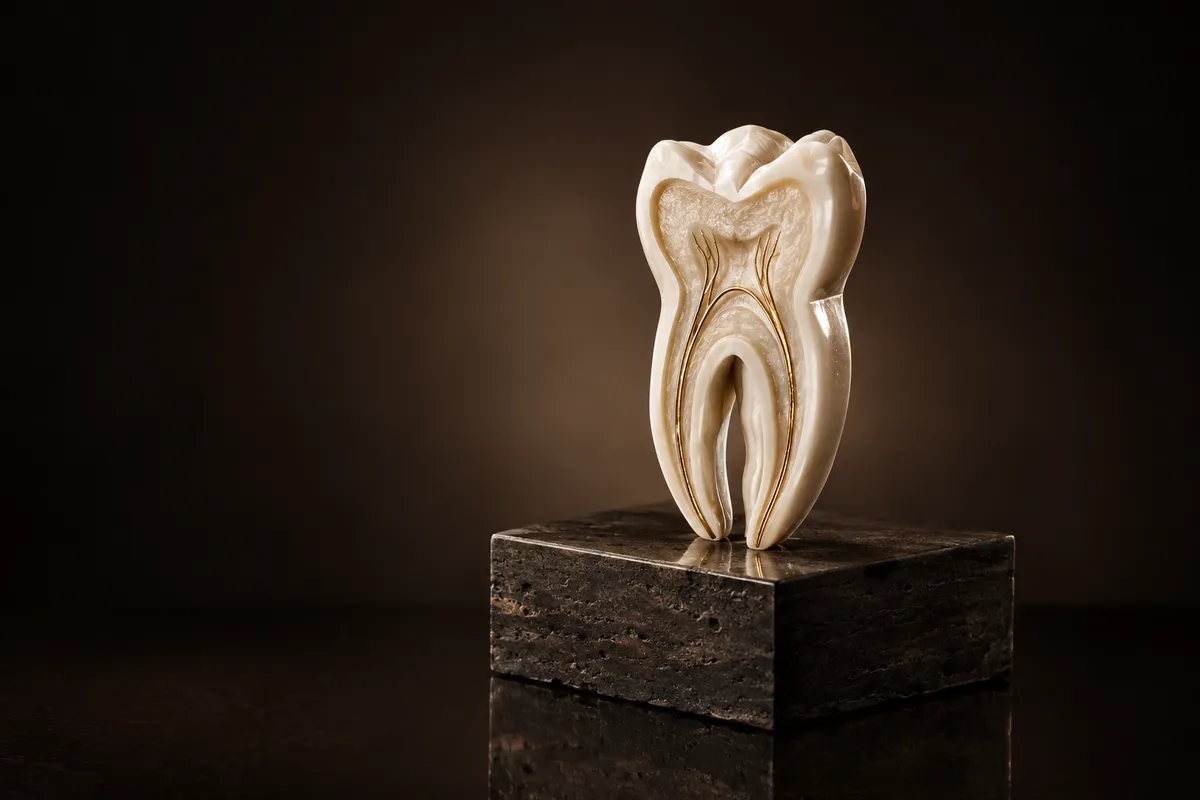
Root canal treatment
When the nerve inside a tooth is inflamed or infected, root canal treatment can clear the problem and let you keep your own tooth.
VISIT US
Talk with us about dental fillings.
Request an appointment online or call the office. A request is not a confirmed appointment; our front desk will contact you.
Dentist on Madison
274 Madison Ave, Rm 202, New York, NY 10016Madison Avenue at East 40th Street, Midtown Manhattan
- Monday & Thursday
- 12 PM to 8 PM
- Tuesday
- 11 AM to 5 PM
- Wednesday
- 10 AM to 6 PM
- Friday
- 8 AM to 5 PM
- Sunday
- 10 AM to 5 PM
- Saturday
- Closed