
MIDTOWN MANHATTAN · 274 MADISON AVENUE
Dental Veneers in Midtown Manhattan
We plan thin, custom-made veneers around your smile and your bite to change the color, shape or length of front teeth.
- 4.9 rating from 409 Google reviews
- Platinum Invisalign Provider 2025
- FICOI · FAAIP implant fellowships
- Open Sundays and two evenings a week
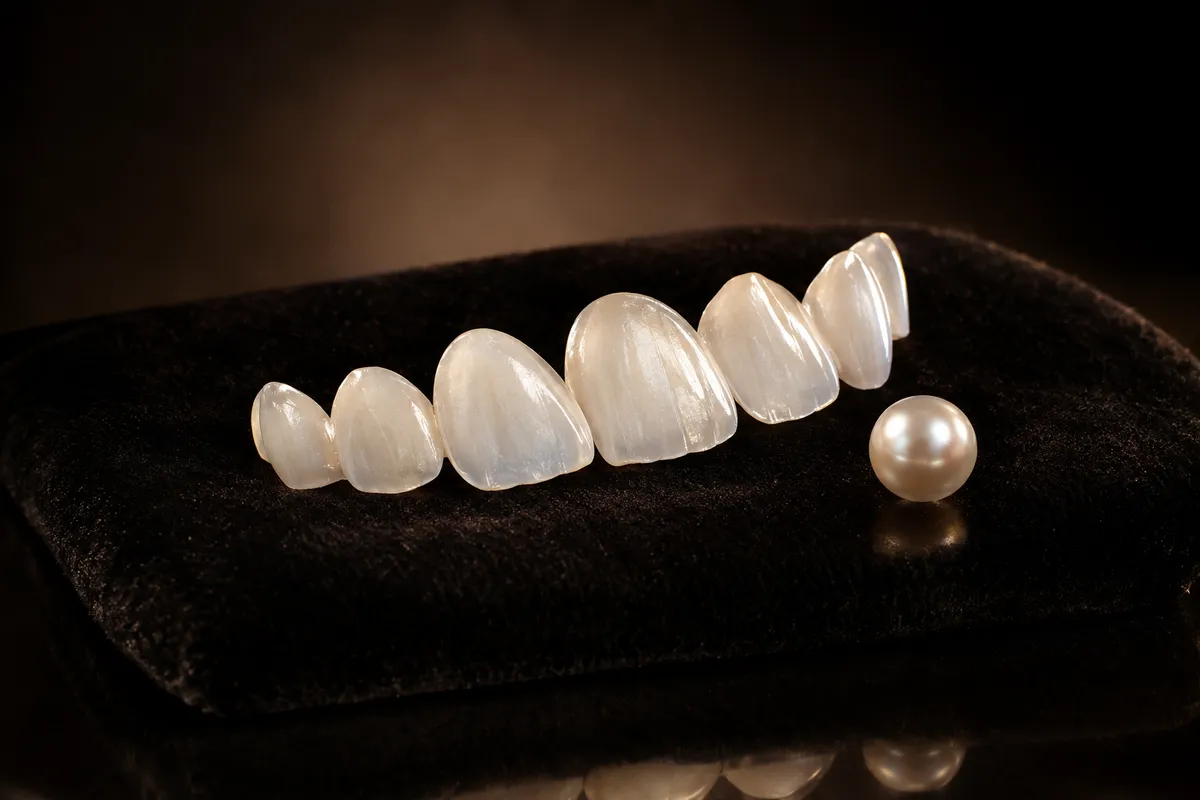
Veneers are thin shells of porcelain or composite resin bonded to the front of teeth to change their color, shape, size or length. Cosmetic dentistry is one of Dr. Avner Mullokandov's main areas of focus, and he has completed advanced courses in aesthetics. At our office on Madison Avenue, we plan veneers conservatively, keeping as much natural tooth as we can, and we start with an exam to see whether they are the right choice for you.
Who veneers can help
Veneers can improve front teeth that are:
- stained or discolored in a way whitening can't fix
- chipped, worn down or cracked at the edge
- uneven in length or shape, or smaller than the teeth beside them
- separated by small gaps
- slightly crooked, when you'd rather not straighten them
Good candidates have healthy gums, enough sound enamel and no active decay. If you have cavities or gum disease, we treat those first. If you grind or clench your teeth, we'll talk about protecting veneers with a night guard.
Veneers aren't always the right answer. A tooth with a large filling or a lot of missing structure may do better with a dental crown, which covers the whole tooth. Noticeably crooked teeth can often be straightened with Invisalign without reshaping healthy enamel. And if color is your only concern, professional teeth whitening is the simplest place to start.
What veneers are
A veneer covers the front surface of a tooth and often wraps slightly over its biting edge. It changes how the tooth looks while the tooth underneath keeps doing its job. There are two main materials:
- Porcelain veneers are thin ceramic shells made in a dental laboratory to fit your teeth. Porcelain reflects light much like natural enamel and resists staining well. Placing them usually means removing a thin layer of enamel from the front of each tooth so the veneer sits flush.
- Composite veneers are made of tooth-colored resin, the same kind of material used for bonding. The resin is shaped directly on the tooth, hardened with a curing light and polished, often in one visit. Composite is easier to repair, but it stains and chips more readily than porcelain.
Sometimes veneers can be placed with little or no reshaping of the tooth. These are often called minimal-prep or no-prep veneers. Whether that's possible depends on your teeth, their position and the result you want.
Benefits and what to expect
Well-planned veneers can:
- improve several concerns at once, such as color, shape and small gaps
- look natural, because shade, shape and surface texture are chosen to suit your face and your other teeth
- keep more natural tooth than a crown, because they cover only part of it
There are trade-offs, and you should know them before you decide. Removing enamel can't be undone, so a tooth prepared for porcelain veneers will always need a covering. Veneers can chip or come loose, especially with grinding, biting hard objects or using your teeth as tools, and in time they will need replacing. Veneers also don't respond to whitening, so if you want lighter natural teeth, whiten them before we choose the shade.
After preparation, some teeth are sensitive to hot and cold for a short time. New veneers may feel slightly different at first, and most people adjust quickly. Results depend on your teeth, your bite and how you care for your veneers, and we'll talk about realistic expectations at your exam.
How the veneer process works
- Consultation and exam. Dr. Avner examines your teeth, gums and bite, takes X-rays if needed and asks what you'd like to change. We also discuss whether another treatment would serve you better.
- Planning your smile. Together we decide which teeth to treat and the shape, length and shade you're aiming for. If you plan to whiten, we do that before choosing the shade.
- Preparing the teeth. For porcelain veneers, a thin layer of enamel is removed, usually with local anesthetic, and we take a scan or impressions. You may wear temporary veneers while yours are being made.
- Making the veneers. A dental laboratory crafts porcelain veneers to the plan. Composite veneers skip this step, because they're built directly on your teeth.
- Try-in and bonding. We check the fit, shape and color before anything is fixed in place. Then each tooth surface is cleaned and conditioned, and the veneer is bonded with dental cement hardened by a curing light.
- Bite check and follow-up. We polish the edges, check your bite and see you again to make sure your gums and bite feel comfortable.
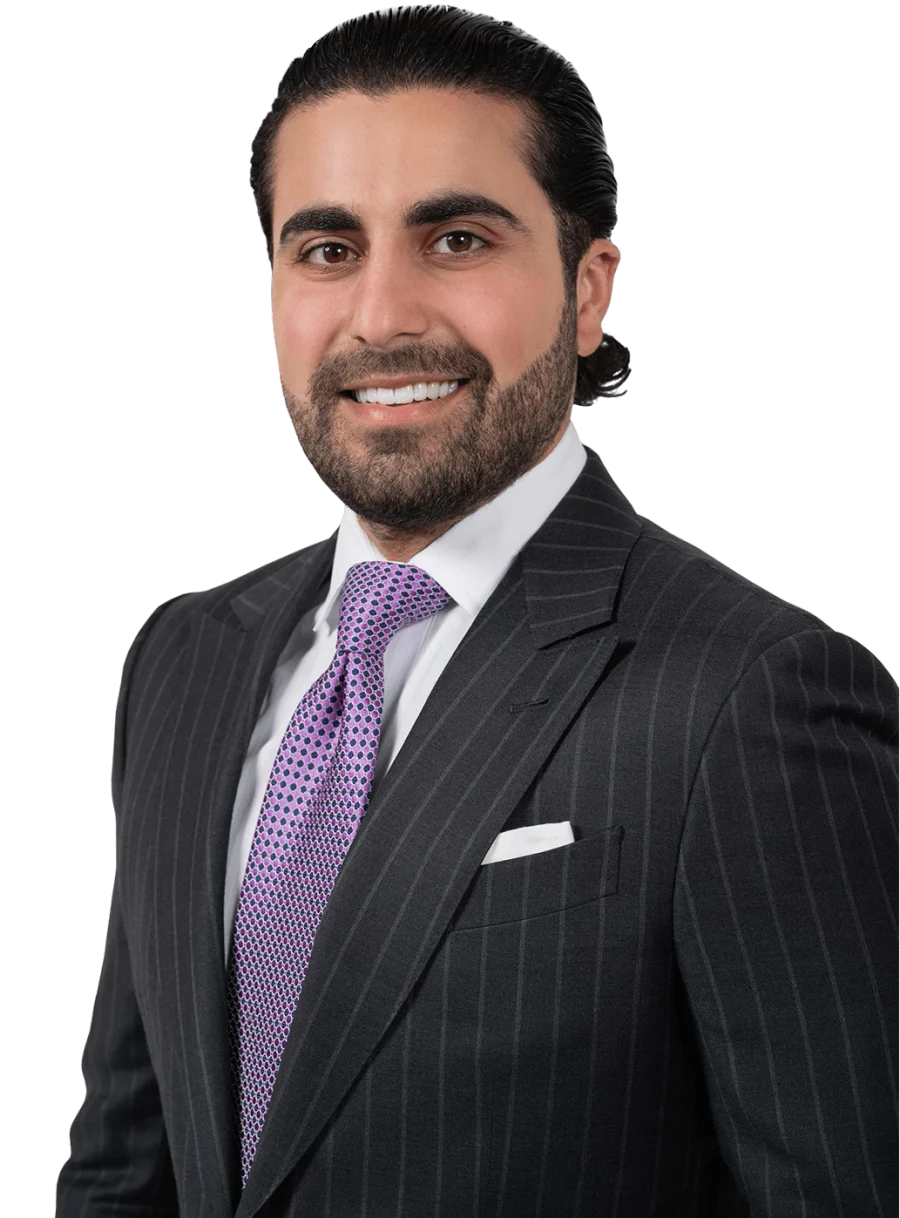
YOUR DENTIST
Dr. Avner C. Mullokandov
D.D.S., FICOI, FAAIP
Dr. Avner C. Mullokandov, D.D.S., is a cosmetic and implant dentist and a native New Yorker practicing on Madison Avenue in Manhattan. He speaks English, Spanish, Russian and Farsi.
Read Dr. Avner’s profileCOST, INSURANCE AND PAYMENT
Cost, insurance and payment
The fee for veneers depends on the number of teeth, the material and how much preparation each tooth needs, so we can give you an estimate only after your exam. Coverage depends on your dental plan. If you have insurance, ask your insurer whether any part of veneer treatment is covered in your situation.
We accept 20 insurance carriers, listed on our insurance page. Being on the list doesn't guarantee coverage, because benefits depend on each plan. You can pay with cash, a check or a major credit card, and payment plans through Cherry are available, subject to Cherry's approval. See payment plans for details.
QUESTIONS
Frequently asked questions
Are veneers reversible?
Traditional porcelain veneers are not, because a thin layer of enamel is removed to place them, and that tooth will always need a veneer or another covering. Minimal-prep and composite veneers remove less tooth, sometimes none, which leaves more options later. We'll explain exactly what your plan involves before any tooth is prepared.
How long do veneers last?
There's no fixed answer. It depends on the material, your bite, habits such as grinding, and how well you care for your teeth. Porcelain generally holds up longer and stains less than composite. Regular checkups help us spot small problems early, and a veneer that chips or wears can be repaired or replaced.
Do veneers look natural?
They can. We choose the shade, shape and surface texture to fit your face and blend with the teeth around them. Matching one or two veneers to natural teeth takes careful shade selection, and you see the veneers at the try-in before they are bonded.
Can veneers be whitened?
No. Whitening gels don't change the color of porcelain or composite. If you'd also like whiter natural teeth, whiten first, and we'll match the veneers to your new shade.
Does getting veneers hurt?
Preparing teeth for porcelain veneers is usually done with local anesthetic, and most people feel pressure rather than pain. Afterward, some have mild sensitivity or sore gums for a few days. Composite veneers often need little or no numbing.
Porcelain or composite: which is right for me?
Porcelain is chosen for its durability, stain resistance and lifelike finish, and it usually takes at least two visits because a laboratory makes it. Composite often costs less, can usually be done in one visit and is easier to repair, but it stains and chips more readily. We'll recommend a material after looking at your teeth and talking about your goals.
Related treatments
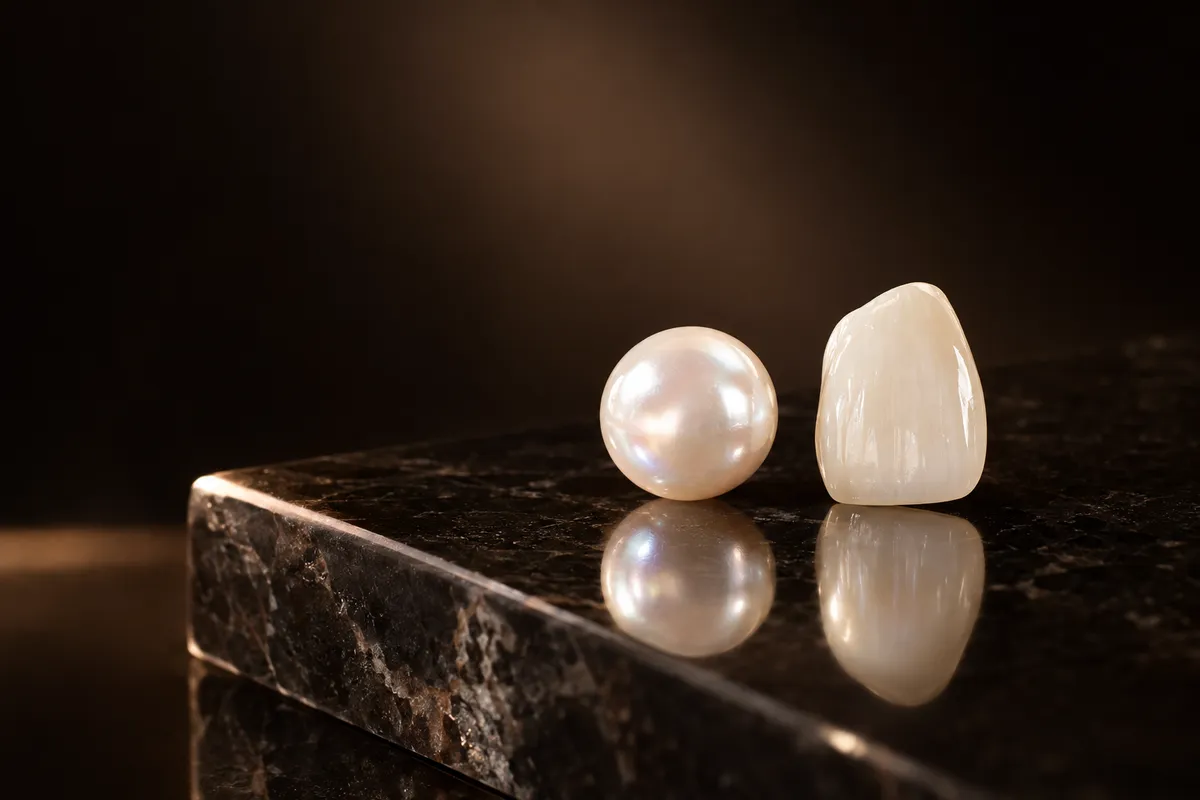
Teeth whitening
Lighten the natural color of your teeth with in-office or take-home whitening, after an exam to make sure it suits you.
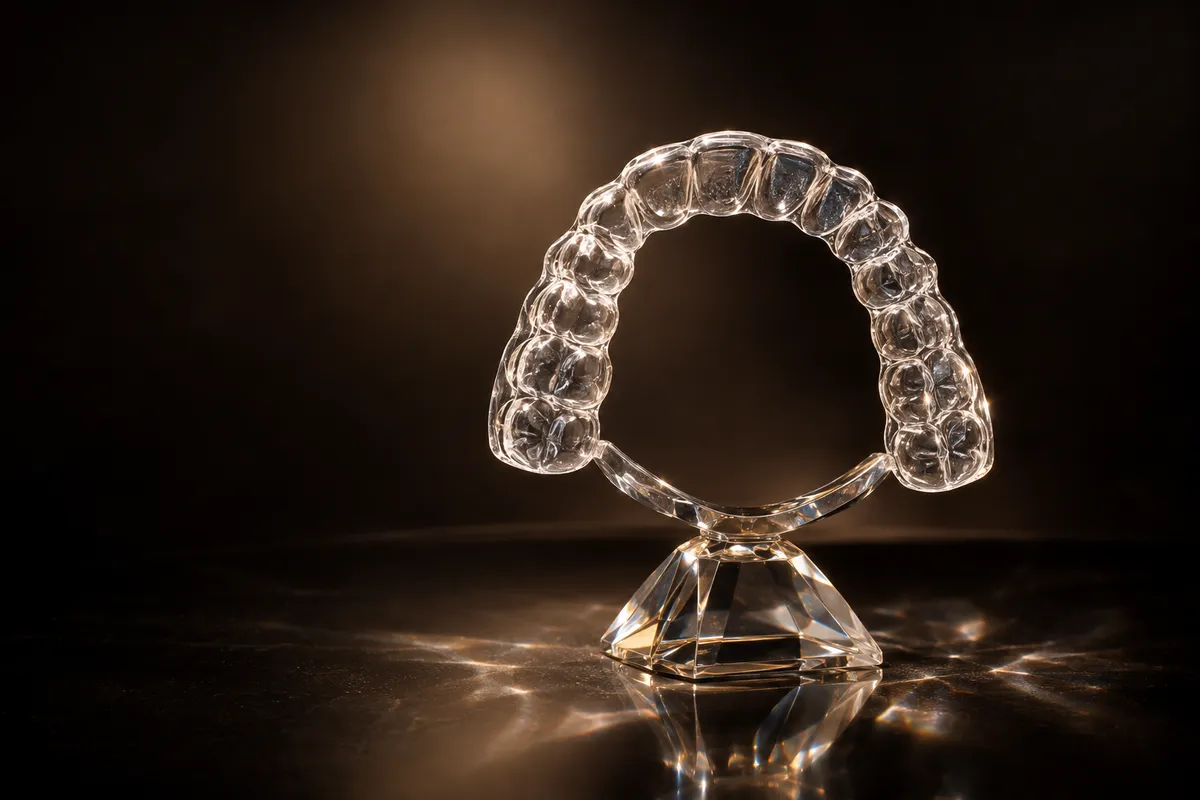
Invisalign
Straighten your teeth with clear, removable aligners, planned around your bite and checked at regular visits.
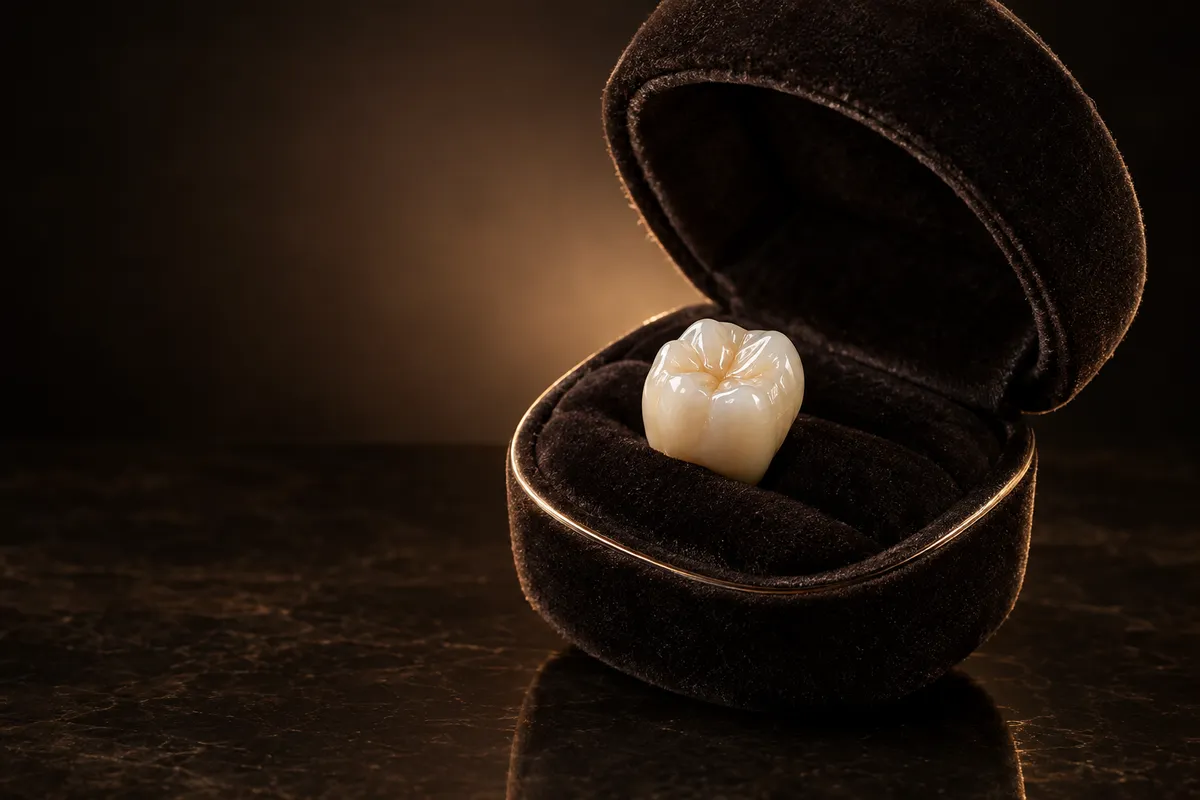
Dental crowns
Custom crowns that protect cracked, worn or weakened teeth and restore the way they look and work.
VISIT US
Talk with us about dental veneers.
Request an appointment online or call the office. A request is not a confirmed appointment; our front desk will contact you.
Dentist on Madison
274 Madison Ave, Rm 202, New York, NY 10016Madison Avenue at East 40th Street, Midtown Manhattan
- Monday & Thursday
- 12 PM to 8 PM
- Tuesday
- 11 AM to 5 PM
- Wednesday
- 10 AM to 6 PM
- Friday
- 8 AM to 5 PM
- Sunday
- 10 AM to 5 PM
- Saturday
- Closed