
MIDTOWN MANHATTAN · 274 MADISON AVENUE
Full and Partial Dentures in Midtown Manhattan
Custom full and partial dentures that replace missing teeth and make eating and talking easier.
- 4.9 rating from 409 Google reviews
- Platinum Invisalign Provider 2025
- FICOI · FAAIP implant fellowships
- Open Sundays and two evenings a week
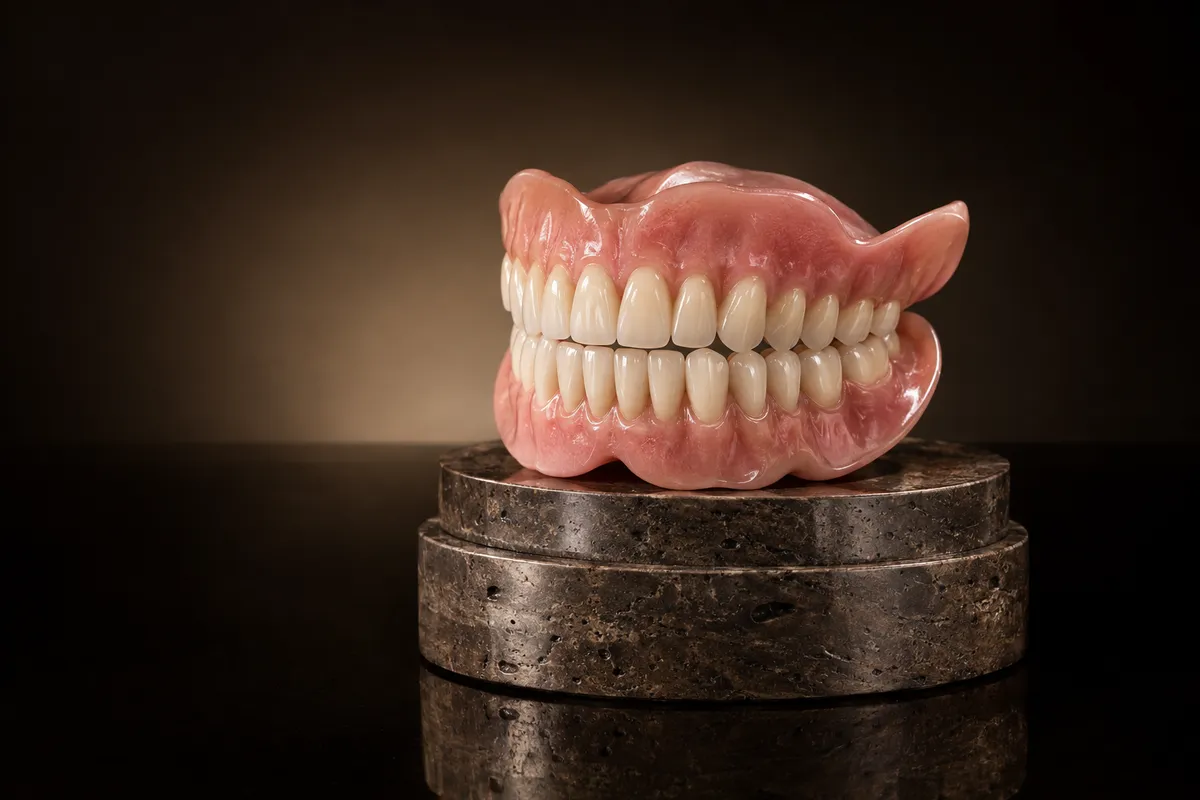
Dentist on Madison provides dentures in Midtown Manhattan from its office at 274 Madison Avenue. Dentures are custom replacement teeth that you can take out of your mouth. We make full dentures for people missing all the teeth in the upper or lower jaw, and partial dentures for people who still have some healthy teeth. We can also check and adjust dentures you already wear.
Who dentures can help
Missing teeth make it harder to chew and to speak clearly. Over time, the lips and cheeks can lose support, and the face may start to look sunken. Dentures may be a good fit if:
- you've lost all of your teeth in one or both jaws
- you're missing several teeth and the remaining ones are healthy enough to support a partial denture
- your remaining teeth can't be saved and need to be removed
- dental implants aren't an option for you right now, or you'd prefer something removable
- your current dentures are loose, worn or uncomfortable
For one missing tooth or a short gap, a dental bridge or an implant may suit you better. If you'd like teeth that stay fixed in place, ask about All-on-4 and All-on-6 implant teeth.
What dentures are
A denture is a set of replacement teeth on a base that rests on your gums. There are three main kinds:
- Full dentures. These replace all the teeth in a jaw, set in a gum-colored base. An upper denture covers the roof of the mouth and is held largely by suction. A lower denture is shaped like a horseshoe to leave room for the tongue, so it usually moves more than an upper one.
- Partial dentures. These fill gaps between your natural teeth. The replacement teeth are set in a gum-colored base, which may be built on a thin metal frame, and clasps or other attachments hold the denture to nearby teeth. A partial also helps keep your remaining teeth from shifting.
- Implant-supported dentures. These connect to dental implants for extra stability. This option is available at our practice, and Dr. Avner's work focuses on cosmetic and implant dentistry.
Every denture is made for your mouth from impressions and records of your bite. Our office has an on-site dental laboratory, and our team works with it on prosthetics such as dentures.
What dentures can do and what to expect
Dentures can:
- let you bite and chew a wider range of foods than you can with missing teeth
- make many sounds easier to say clearly
- support your lips and cheeks so your face looks fuller
- restore the look of a complete smile
Expect an adjustment period. At first, a new denture may feel bulky, you may produce more saliva than usual, and some words may sound different. Sore spots are common in the first weeks. Let us adjust the denture where it rubs rather than trying to change it yourself.
Start with soft foods cut into small pieces, and chew slowly on both sides at once to keep the denture balanced. Add firmer foods as you get comfortable. Reading aloud helps your tongue and lips get used to the new teeth.
Dentures don't feel exactly like natural teeth, and a lower full denture in particular can move when you eat or speak. Some people use a denture adhesive, and some later choose implants for more stability. How well dentures work for you depends on your gums, your jawbone and any remaining teeth, so results vary and we start with an examination.
How we make your dentures, step by step
- Consultation and exam. Dr. Avner examines your mouth, gums and any remaining teeth, takes X-rays as needed and explains your options. He speaks English, Spanish, Russian and Farsi.
- Treatment before dentures. Teeth that can't be saved may need to be removed, and decay or gum problems are treated first. If you need a tooth extraction, Dr. Avner will explain how long your gums need to heal and what you can wear in the meantime.
- Impressions and bite records. We take impressions of your gums and teeth and record how your jaws meet, so the denture fits your mouth and your bite.
- Choosing the look. We help you choose the shape, size and shade of the teeth to suit your face. For a partial denture, we match your natural teeth.
- Try-in. In many cases, you can try a model of the denture before it's finished, so we can check the fit, bite, appearance and speech and make changes.
- Fitting. We place the finished denture, adjust any pressure spots and show you how to put it in, take it out and clean it.
- Adjustment visits. You come back so we can relieve sore spots and fine-tune the fit as your mouth gets used to the denture.
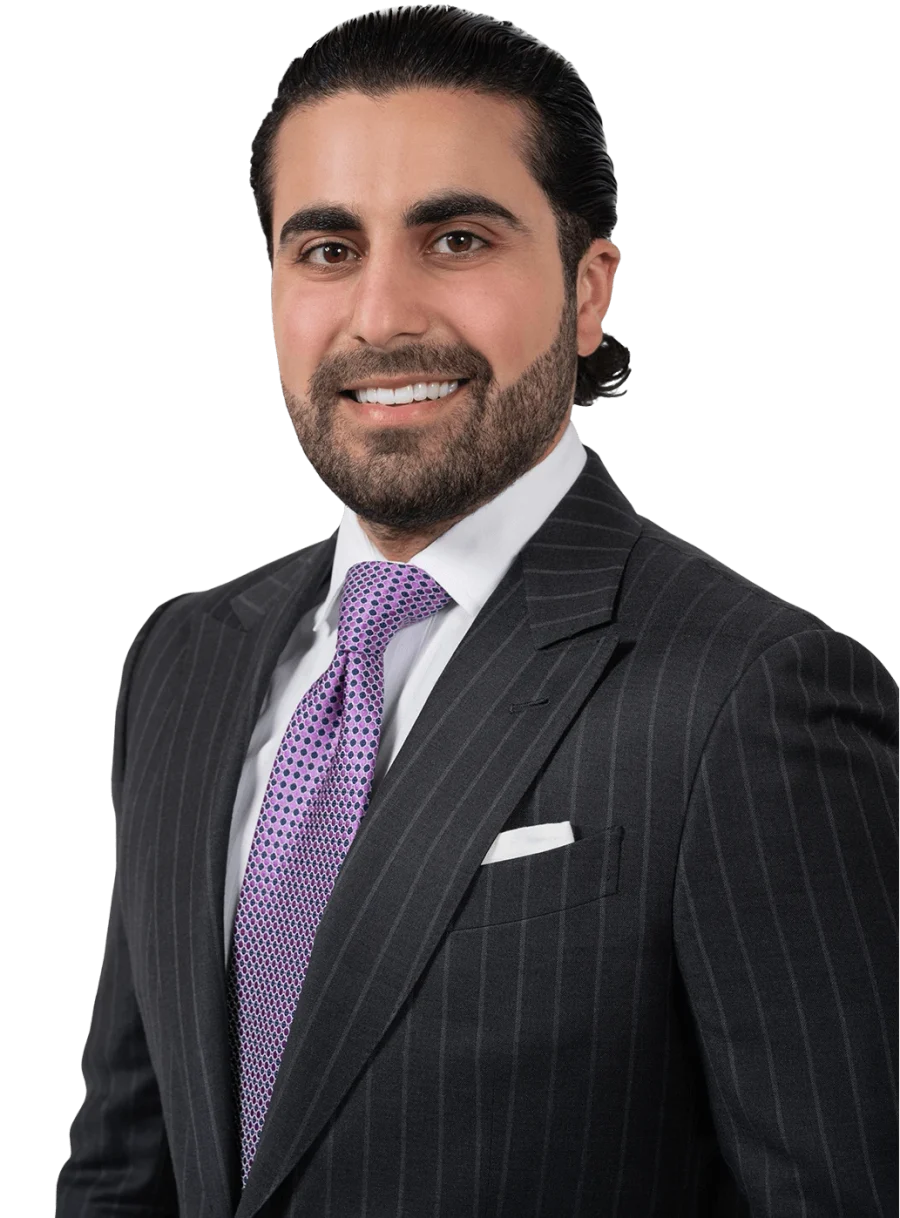
YOUR DENTIST
Dr. Avner C. Mullokandov
D.D.S., FICOI, FAAIP
Dr. Avner C. Mullokandov, D.D.S., is a cosmetic and implant dentist and a native New Yorker practicing on Madison Avenue in Manhattan. He speaks English, Spanish, Russian and Farsi.
Read Dr. Avner’s profileCOST, INSURANCE AND PAYMENT
Cost, insurance and payment
The cost of dentures depends on the type, the materials, how many teeth are replaced and whether you need extractions, implants or other treatment first. Ask us for the fee for your treatment plan before you decide.
What insurance pays depends on your plan. The 20 carriers we accept are listed on our insurance page. Finding your carrier there doesn't mean your plan covers dentures, so confirm your benefits with your insurer. You can pay with cash, a check or a major credit card, and payment plans are available through Cherry, subject to Cherry's approval. See our payment options.
QUESTIONS
Frequently asked questions
How long does it take to get used to new dentures?
It varies from person to person. Many people need a few weeks before eating and speaking feel natural, and the first days are usually the hardest. Adjustment visits are part of the process, so tell us about sore spots instead of waiting them out.
Should I wear my dentures while I sleep?
Usually not. Taking them out at night gives your gums a rest and is a good time to clean them. Keep them in water or a denture-soaking solution so they don't dry out. Follow any different instructions Dr. Avner gives you, for example right after extractions.
How do I clean my dentures?
Rinse them after meals and brush them every day with a soft denture brush and a denture cleaner. Regular toothpaste can scratch them. Clean them over a folded towel or a sink filled with water in case you drop them, and don't use hot water, which can warp them. Brush your gums, tongue and any natural teeth too.
How long do dentures last?
There's no set number of years. Denture teeth wear down, and the shape of your gums and jaw keeps changing, so a denture that fit well can become loose. Adjustments, relines and eventually a new denture are part of long-term care, and regular checkups help us catch fit problems early.
Can dentures be attached to implants?
Yes, and this is an option at our practice. An implant-supported denture connects to implants placed in the jaw, so it moves less than a denture held only by the gums. Whether implants are possible depends on your health and the bone in your jaw. Learn more about dental implants.
What should I do if my denture breaks or hurts?
Call the office and don't try to repair it yourself, since home glues and adjustments can damage the denture or change the fit. Our team can check and adjust it during office hours. A sore in your mouth that doesn't heal should always be examined.
Related treatments
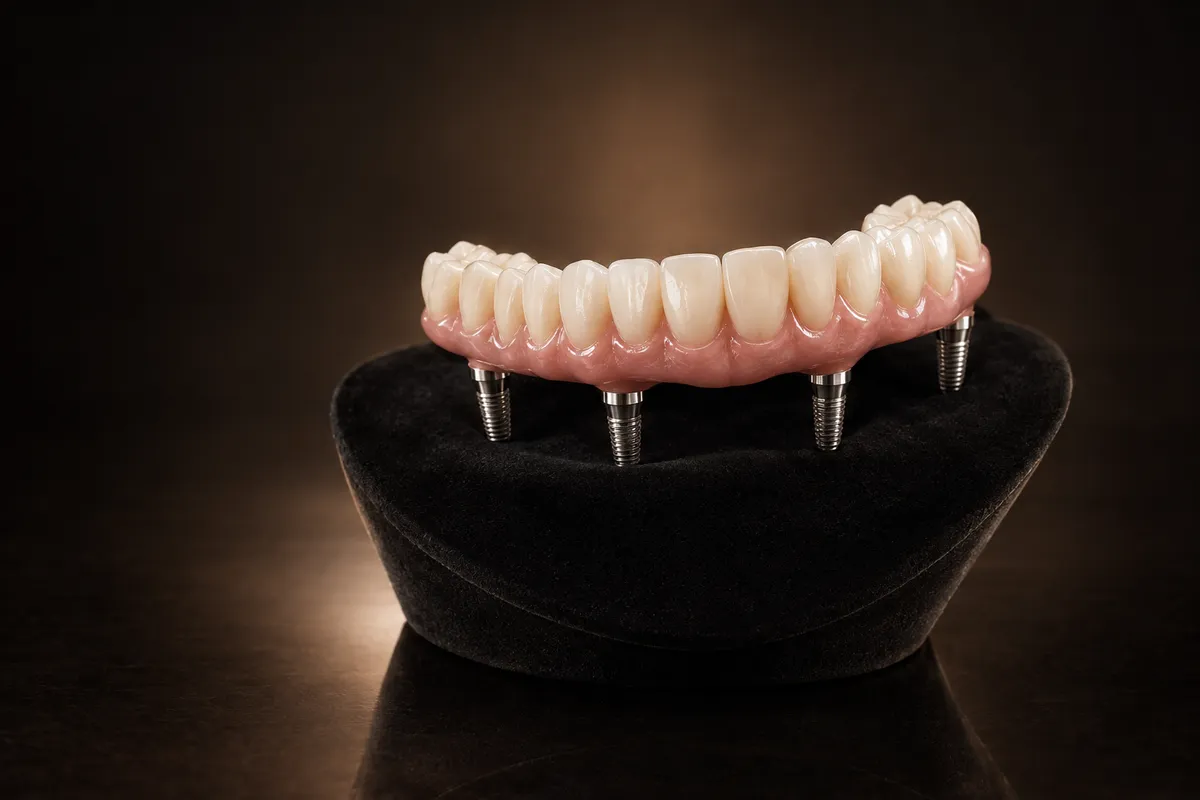
All-on-4 and All-on-6
A full arch of fixed teeth held by four or six dental implants, for people missing most or all of their teeth in one jaw.
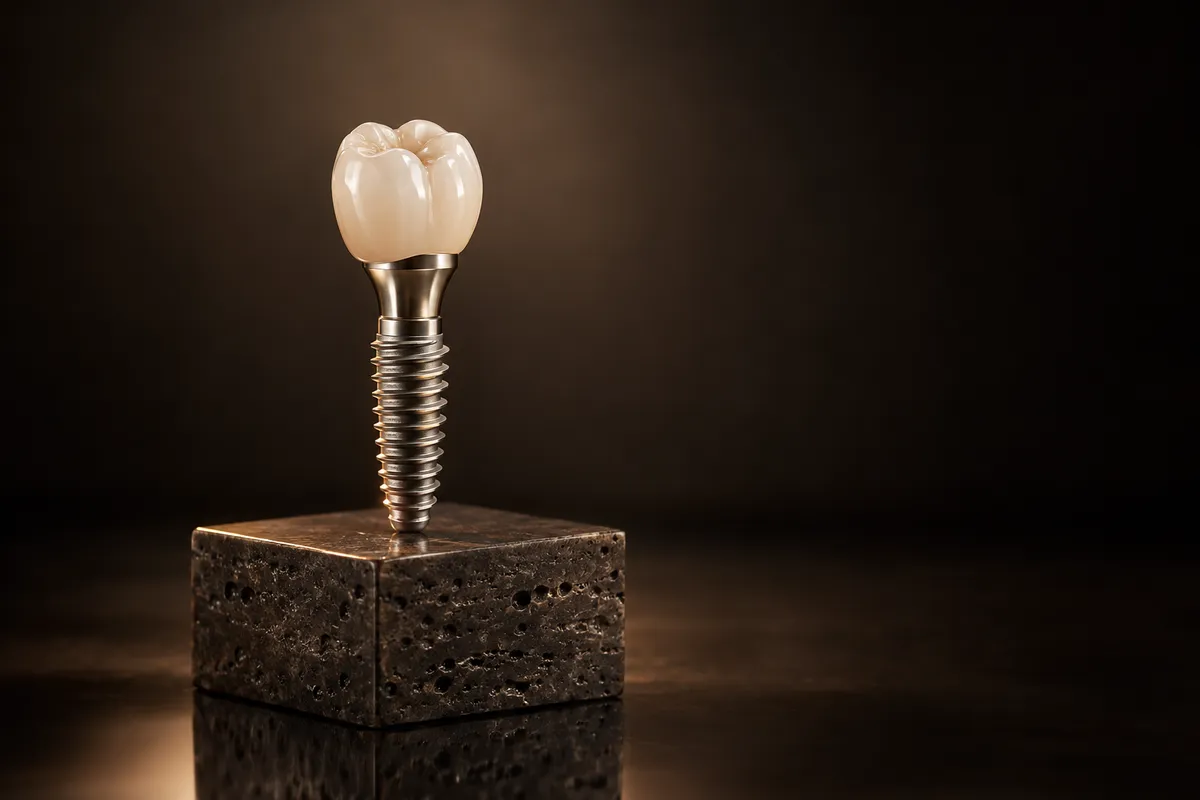
Dental implants
Fixed replacement teeth for one or several gaps, anchored in the jawbone and planned around your bite, bone and health.
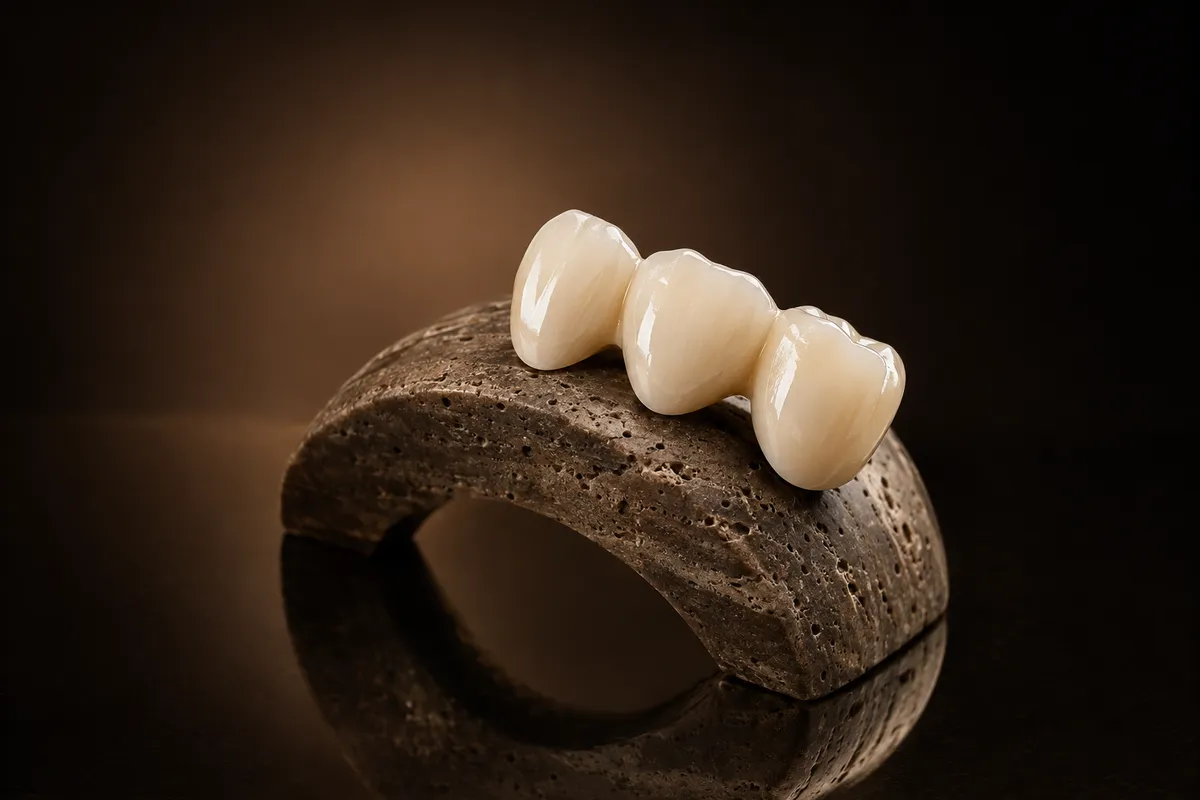
Dental bridges
Fixed replacement teeth for a gap in your smile, supported by the teeth beside it or by dental implants.
VISIT US
Talk with us about dentures.
Request an appointment online or call the office. A request is not a confirmed appointment; our front desk will contact you.
Dentist on Madison
274 Madison Ave, Rm 202, New York, NY 10016Madison Avenue at East 40th Street, Midtown Manhattan
- Monday & Thursday
- 12 PM to 8 PM
- Tuesday
- 11 AM to 5 PM
- Wednesday
- 10 AM to 6 PM
- Friday
- 8 AM to 5 PM
- Sunday
- 10 AM to 5 PM
- Saturday
- Closed