
MIDTOWN MANHATTAN · 274 MADISON AVENUE
Oral Surgery Procedures in Midtown Manhattan
Tooth extractions and dental implant placement at our office, with careful planning and clear aftercare instructions.
- 4.9 rating from 409 Google reviews
- Platinum Invisalign Provider 2025
- FICOI · FAAIP implant fellowships
- Open Sundays and two evenings a week
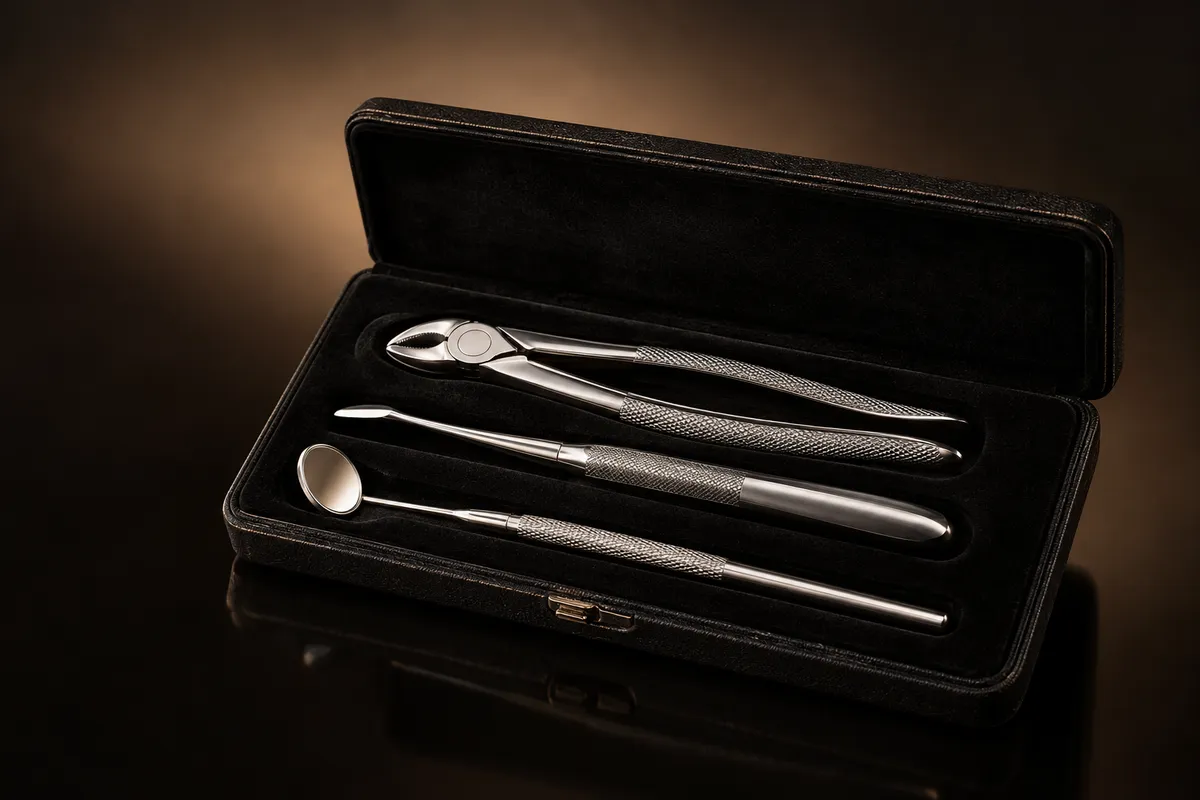
Dentist on Madison performs oral surgery in Midtown Manhattan at its office at 274 Madison Avenue. Some dental problems call for a surgical procedure, most often removing a tooth that can't be saved or placing a dental implant to replace one. Dr. Avner performs these procedures himself. He is a general dentist with advanced training in implant dentistry rather than an oral and maxillofacial surgeon, and we're open about which procedures we handle here.
When oral surgery may be needed
Surgery usually comes into play when a problem can't be fixed with a filling, crown or root canal. Common reasons include:
- a tooth broken or cracked below the gum line, or too decayed to rebuild
- a tooth loosened by advanced gum disease
- an infection or abscess around a tooth
- a missing tooth you want to replace with an implant
- a tooth that needs to come out to make room during orthodontic treatment
- an injury that has damaged a tooth beyond repair
- a wisdom tooth causing pain, infection or damage to the tooth next to it
Dr. Avner believes in conservative, preventive dentistry, so we first look at whether a tooth can be saved. Sometimes a root canal and a crown can keep a tooth that might otherwise be removed.
If you have swelling, severe pain or a broken tooth, call the office. Emergency pain management is one of Dr. Avner's areas of focus, and we treat urgent problems such as toothaches, abscesses and broken teeth during office hours; see emergency dental care. If swelling makes it hard to breathe or swallow, or you have any medical emergency, call 911.
What oral surgery at our office includes
Oral surgery covers procedures on the teeth, gums and jawbone. The main procedures at our office are:
- Tooth extractions. Many teeth can be removed with a simple extraction once the area is numb. A tooth that is broken at the gum line, has unusual roots or hasn't fully come in may need a surgical extraction, and how complex it is determines whether it's done here or by an oral and maxillofacial surgeon. Our tooth extraction page has more detail.
- Dental implant placement. An implant is placed in the jawbone to replace a missing tooth, from a single tooth to a full arch with All-on-4 or All-on-6. Our dental implants page covers the full process.
Some procedures are typically handled by an oral and maxillofacial surgeon, a dental specialist with several years of hospital-based surgical training. These include corrective jaw surgery, treatment of facial fractures and the removal of deeply impacted wisdom teeth or teeth lying close to major nerves. If your case calls for a specialist, we'll tell you and explain why.
Benefits and what to expect
When surgery is the right choice, it can relieve pain and clear infection when a tooth can't be saved, protect neighboring teeth, gums and bone from further damage, and prepare your mouth for a replacement tooth such as an implant, bridge or denture.
Before the procedure, tell us about every medicine you take, especially blood thinners and medicines that affect bone, as well as any allergies or health conditions. We use anesthesia so the area is numb. You may still feel pressure; if you feel anything sharp, tell us so we can give more anesthetic.
After an extraction or implant placement:
- bite gently on gauze to control bleeding; light oozing during the first day is normal
- expect swelling and soreness that often peak around the second or third day, then ease
- use a cold compress on your cheek during the first day to limit swelling
- eat soft foods and chew on the other side
- for the first few days, avoid smoking, drinking through a straw and vigorous rinsing, which can dislodge the blood clot
Call the office during office hours if bleeding doesn't slow with firm pressure, swelling keeps growing after the third day, or you notice fever, pus, a bad taste or pain that gets worse instead of better. Recovery varies from person to person and with the procedure.
How it works, step by step
- Examination and X-rays. We find the cause of the problem and look at the tooth's roots, the surrounding bone and nearby nerves and sinuses.
- Talking through your options. We explain whether the tooth can be saved, what removal or implant placement involves, the risks and how the gap could be filled later.
- Preparing for the procedure. We review your health history and medications and give you instructions for the day of the procedure.
- The procedure. Once the area is numb, the tooth is removed or the implant is placed. Stitches are used when needed.
- Aftercare. Before you leave, we go over how to control bleeding and swelling, what to eat and what to avoid.
- Follow-up and next steps. We check how you're healing and, if a tooth was removed, plan its replacement when the time is right.
YOUR DENTIST
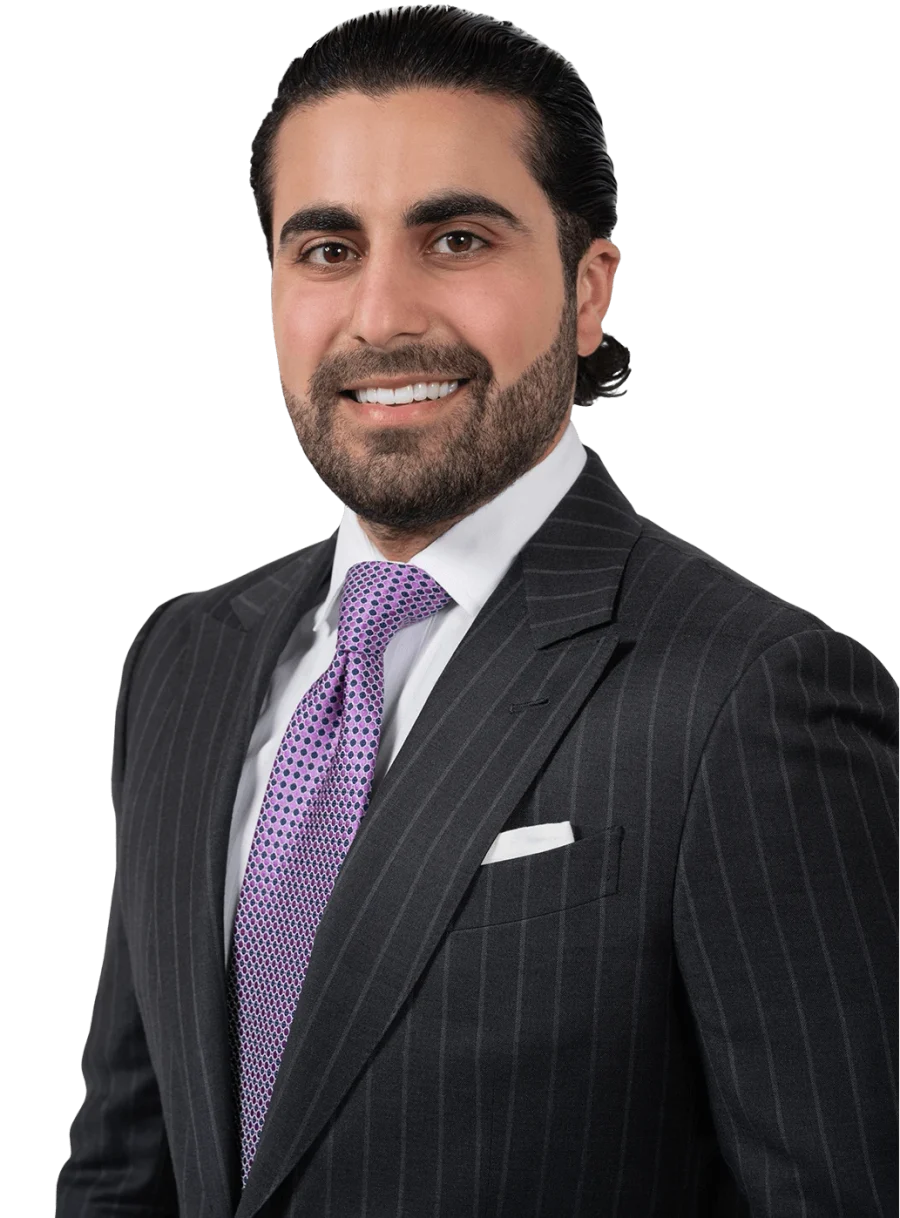
Dr. Avner C. Mullokandov
D.D.S., FICOI, FAAIP
Dr. Avner C. Mullokandov, D.D.S., is a cosmetic and implant dentist and a native New Yorker practicing on Madison Avenue in Manhattan. He speaks English, Spanish, Russian and Farsi.
Read Dr. Avner’s profileCOST, INSURANCE AND PAYMENT
Cost, insurance and payment
Fees depend on the procedure: whether an extraction is simple or surgical, how many teeth are involved, and whether an implant or bone graft is part of the plan. We'll tell you the fee before treatment begins.
Whether your dental insurance pays toward the procedure depends on your plan, so check your benefits with your insurer. Our insurance page lists the 20 carriers we accept. We also accept cash, checks and major credit cards, and offer payment plans through Cherry, subject to Cherry's approval; see payment plans.
QUESTIONS
Frequently asked questions
Is Dr. Avner an oral surgeon?
No. Dr. Avner is a general dentist whose work focuses on comprehensive, cosmetic and implant dentistry. He is a Fellow Implantologist of the International Congress of Oral Implantologists (ICOI) and of the American Academy of Implant Prosthodontics (AAIP), and he has completed advanced courses in aesthetics, periodontics and oral surgery through the Live Implant Training surgical program. You can read more about Dr. Avner.
Does having a tooth removed hurt?
The area is numbed first, so what you'll mainly feel during the extraction is pressure. Soreness afterward is common for a few days and usually eases steadily. If pain gets worse after a few days instead of better, call the office.
How long does recovery from an extraction take?
Most of the soreness and swelling settles within the first several days. The gum closes over the socket in the following weeks, and the bone underneath keeps filling in for several months. A simple extraction usually heals faster than a surgical one.
What is dry socket?
Dry socket happens when the blood clot in the socket is lost or breaks down too early, leaving the bone exposed. It usually causes throbbing pain a few days after the extraction, sometimes spreading toward the ear. Following the aftercare instructions, especially avoiding smoking and straws, lowers the risk. If you think you have it, call the office.
Can an implant be placed right after a tooth is removed?
Sometimes. If there's no active infection and enough healthy bone, it may be possible to place the implant at the same visit. Otherwise, the socket heals first, and in some cases a bone graft is placed to preserve bone for a future implant. We'll tell you which approach fits your case.
Can you remove wisdom teeth?
It depends on the tooth. A wisdom tooth that has fully come in can often be removed much like other teeth, while impacted wisdom teeth, especially those deep in the bone or close to the nerve, are generally handled by an oral and maxillofacial surgeon. After X-rays, we'll tell you which applies to you.
Related treatments
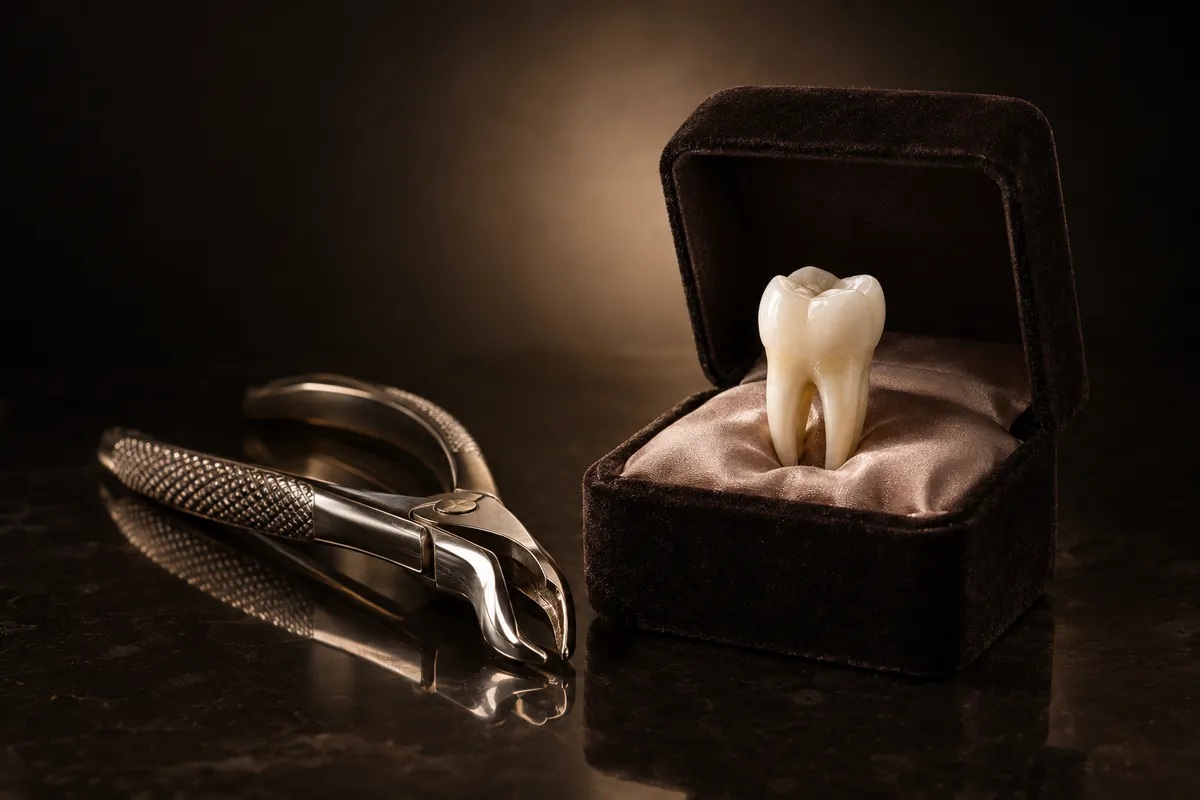
Tooth extraction
When a tooth cannot be saved, a careful extraction removes the source of pain and infection and lets the area heal.
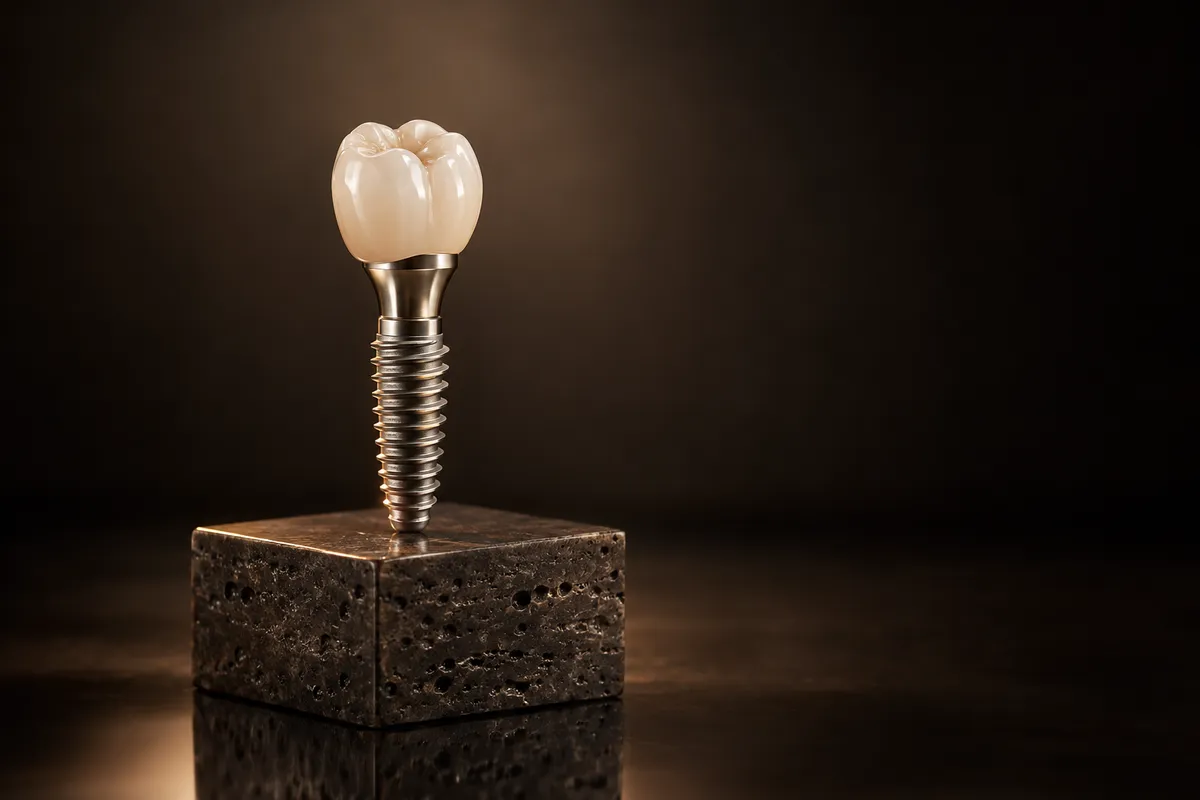
Dental implants
Fixed replacement teeth for one or several gaps, anchored in the jawbone and planned around your bite, bone and health.
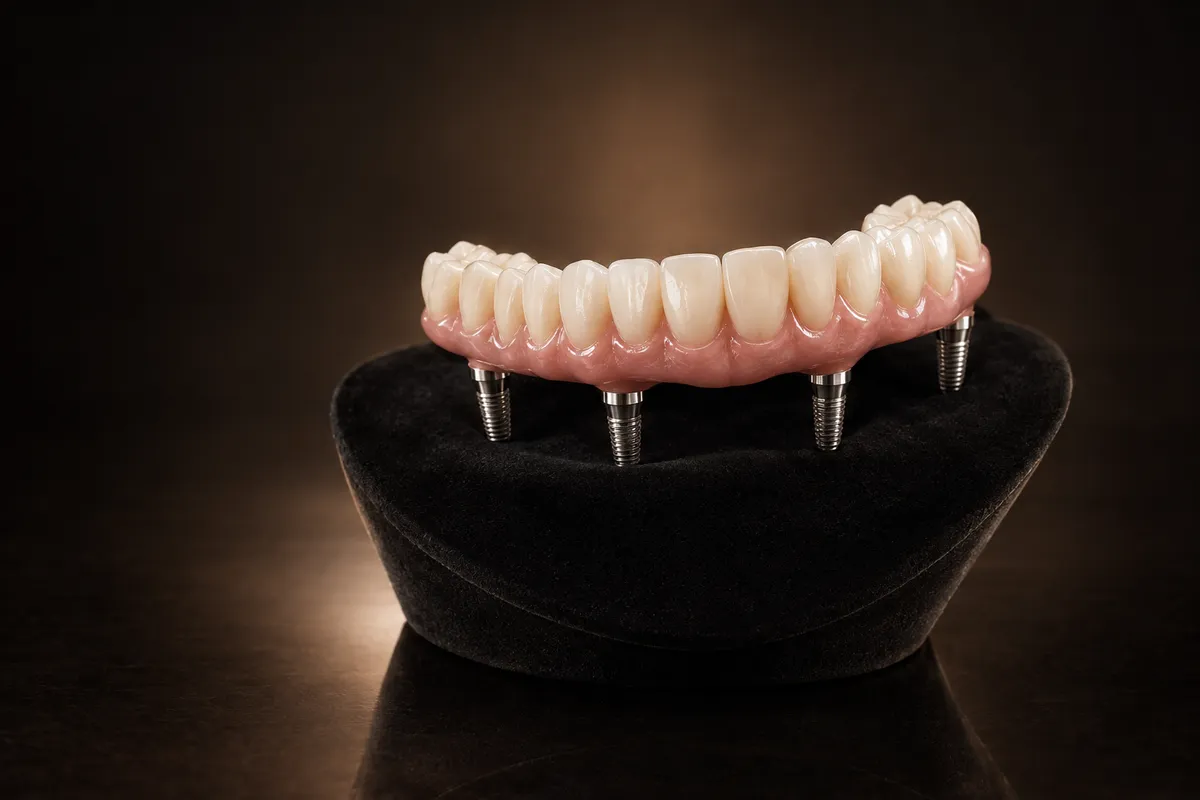
All-on-4 and All-on-6
A full arch of fixed teeth held by four or six dental implants, for people missing most or all of their teeth in one jaw.
VISIT US
Talk with us about oral surgery.
Request an appointment online or call the office. A request is not a confirmed appointment; our front desk will contact you.
Dentist on Madison
274 Madison Ave, Rm 202, New York, NY 10016Madison Avenue at East 40th Street, Midtown Manhattan
- Monday & Thursday
- 12 PM to 8 PM
- Tuesday
- 11 AM to 5 PM
- Wednesday
- 10 AM to 6 PM
- Friday
- 8 AM to 5 PM
- Sunday
- 10 AM to 5 PM
- Saturday
- Closed