
MIDTOWN MANHATTAN · 274 MADISON AVENUE
All-on-4 and All-on-6 Dental Implants in Midtown Manhattan
A full arch of fixed teeth held by four or six dental implants, for people missing most or all of their teeth in one jaw.
- 4.9 rating from 409 Google reviews
- Platinum Invisalign Provider 2025
- FICOI · FAAIP implant fellowships
- Open Sundays and two evenings a week
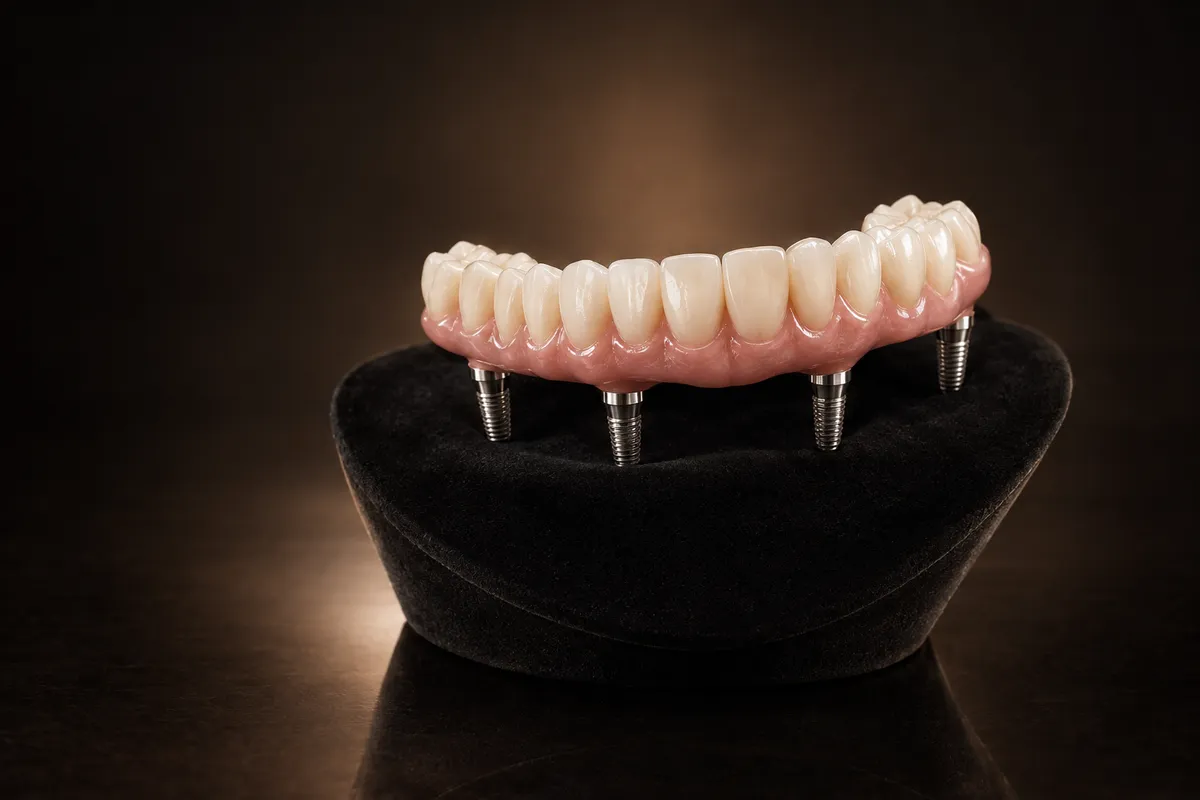
Dentist on Madison offers All-on-4 and All-on-6 dental implants in Midtown Manhattan from its office at 274 Madison Avenue. When most or all of the teeth in one jaw are missing or failing, replacing them one at a time is rarely practical, and a removable denture doesn't suit everyone. All-on-4 and All-on-6 attach a complete arch of replacement teeth to four or six dental implants, so the teeth stay fixed in place. After an examination, Dr. Avner will help you decide whether either one is right for you.
Who All-on-4 and All-on-6 can help
This treatment replaces the teeth of a whole jaw, upper or lower, and both jaws can be treated. It may suit you if you:
- are missing all or most of your upper or lower teeth
- have remaining teeth that are failing from severe decay, advanced gum disease or repeated breakage
- wear a full denture that slips, rubs or makes eating difficult
- want teeth that stay in your mouth instead of coming out at night
You need general health that allows oral surgery and enough bone to hold the implants securely. Smoking, poorly controlled diabetes, some medicines that affect bone and heavy grinding can affect healing and the long-term result, so we discuss them openly at the start. For some people, a removable denture or a few individual implants is the better fit. Our dentures page covers removable options, and our dental implants page covers replacing one or a few teeth.
What All-on-4 and All-on-6 are
Both are ways to support a fixed full-arch bridge, sometimes called a hybrid denture or fixed implant denture. It is one piece that holds a full row of teeth and, where needed, gum-colored material that replaces gum and bone lost over the years. The bridge is fastened to the implants, usually with small screws, so only a dentist can take it off.
The difference is the number of implants in each jaw:
- All-on-4 uses four implants: two placed straight in the front of the jaw and two toward the back, usually at an angle. The angle helps the back implants make use of the available bone while avoiding the sinuses in the upper jaw and the main nerve in the lower jaw.
- All-on-6 uses six implants, which spreads chewing forces across more supports. It needs enough bone for six implants in good positions.
Neither option is better for everyone. The choice depends on the amount and quality of your bone, the shape of your jaw, the strength of your bite and the condition of the opposing teeth. Dr. Avner recommends one after your examination and X-rays and explains why.
Benefits and what to expect
- Fixed teeth. No adhesive and nothing to take out at night.
- Steadier chewing. Because the teeth are anchored to implants, they don't shift the way a denture resting on the gums can.
- An uncovered palate. An upper full-arch bridge doesn't cover the roof of your mouth the way a full upper denture does.
- Support for the bone. The implants carry chewing forces into the jaw, which helps preserve bone where they sit. Under a removable denture, the jawbone tends to shrink over time.
- Fewer implants. A full arch rests on four or six implants rather than one implant for each tooth.
Surgery is done with anesthesia so the area is numb. Afterward, expect swelling and soreness for several days and a soft diet while the implants heal. Speaking and chewing can feel different at first, and it takes some time to adjust.
Over the long term, the bridge needs daily cleaning, including underneath, plus regular professional maintenance. The gums around implants can become inflamed, and the teeth on a bridge can chip or wear. Results vary, and we'll talk through the risks before you decide.
Your treatment, step by step
- Consultation and examination. We examine your mouth, review your health history and medications, and take X-rays to assess your bone. We also ask what bothers you about your current teeth or denture.
- Planning. Dr. Avner recommends four or six implants for each jaw being treated, explains which teeth need to come out and plans the shape, shade and length of the new teeth with you. You get the expected timeline and fees before anything starts.
- Surgery. With the area numb, the remaining failing teeth are removed and the implants are placed.
- Temporary teeth. When the implants are stable enough, a temporary bridge is attached for the healing period.
- Healing. Over the next several months, the implants bond with the bone. We see you for checkups and adjust the temporary teeth as needed.
- Your final bridge. We take impressions, check the fit and appearance with you, and then attach the final bridge.
- Maintenance. Regular visits let us check the implants and gums, clean the areas you can't easily reach and, when needed, remove the bridge for cleaning or repair.
YOUR DENTIST
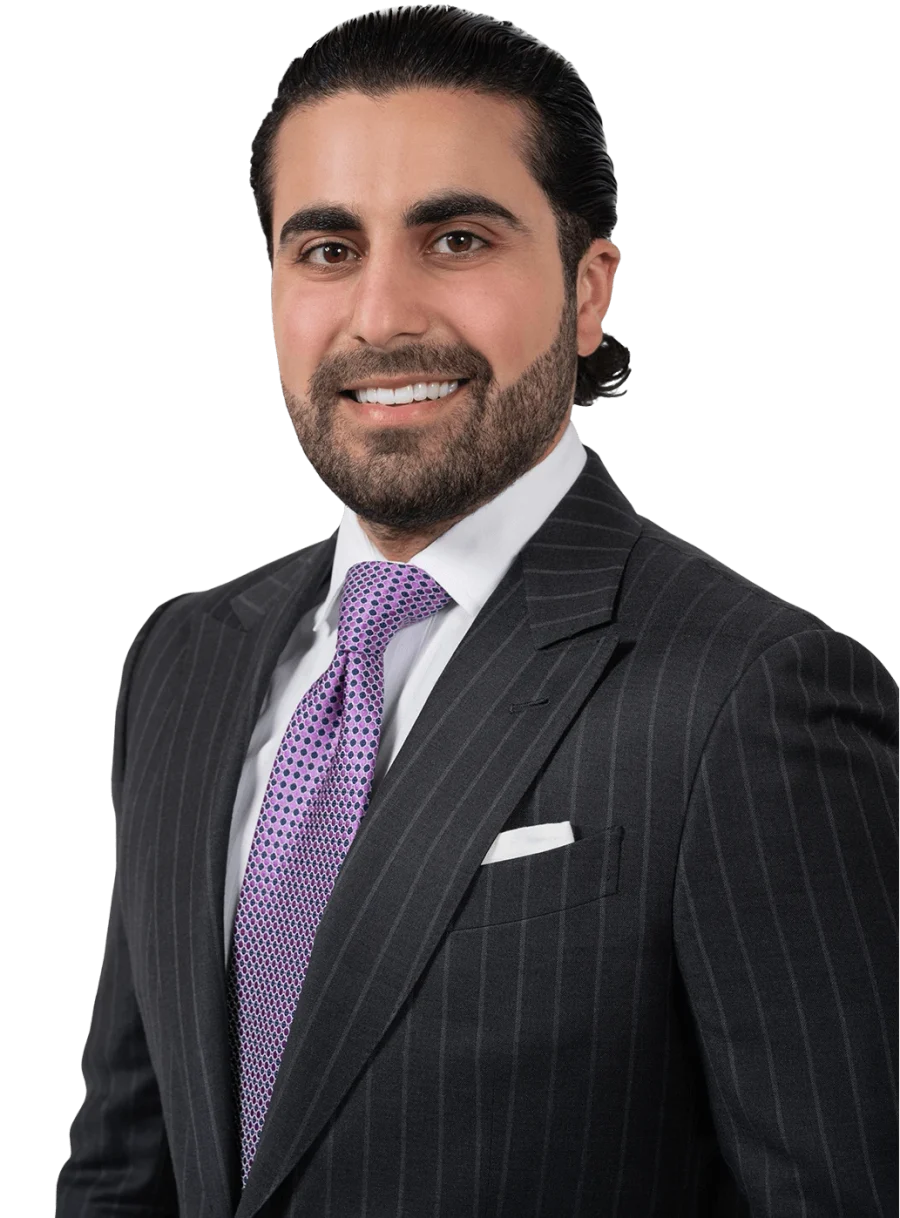
Dr. Avner C. Mullokandov
D.D.S., FICOI, FAAIP
Dr. Avner C. Mullokandov, D.D.S., is a cosmetic and implant dentist and a native New Yorker practicing on Madison Avenue in Manhattan. He speaks English, Spanish, Russian and Farsi.
Read Dr. Avner’s profileCOST, INSURANCE AND PAYMENT
Cost, insurance and payment
The cost depends on whether one jaw or both are treated, whether you need four or six implants, how many teeth need to be removed, whether bone grafting is needed and what the final bridge is made of. We'll give you the fees for your plan after an examination, before treatment starts.
Whether your dental insurance pays toward any part of this treatment depends on your plan, so check your benefits with your insurer. Our insurance page lists the 20 carriers we accept. We also accept cash, checks and major credit cards, and offer payment plans through Cherry, subject to Cherry's approval; see payment plans.
CURRENT OFFER
20% Off Implant
When the implant, abutment and crown are paid for upfront. Full payment is due when treatment begins.
QUESTIONS
Frequently asked questions
Can I take the teeth out myself?
No. The bridge is fastened to the implants, so it stays in when you eat, sleep and clean. We can remove it during maintenance visits or for repairs. If you would rather have teeth you can take out, a removable denture may suit you better.
Will I have teeth right after surgery?
Often, but not always. If the implants are stable enough, a temporary fixed bridge can be attached soon after surgery. If they aren't, the implants are left to heal first, and we'll explain the plan for that period before the day of surgery.
How do I clean an All-on-4 or All-on-6 bridge?
Brush it twice a day like natural teeth, and clean underneath it, where food collects, with a water flosser or special floss. We'll show you which tools work for your bridge, and regular professional cleanings complete the routine.
How long do All-on-4 and All-on-6 teeth last?
No one can promise a specific lifespan. The implants can last many years when the gums and bone stay healthy, while the teeth on the bridge wear with use and may need repair or replacement over time. Daily cleaning, regular maintenance visits and not smoking all help.
Can I have this treatment if I've been told I don't have enough bone?
Sometimes. The angled back implants used in All-on-4 are designed to make use of limited bone, and in some cases bone grafting is an option. Whether either works for you depends on your X-rays and examination.
Can I have just my upper or lower teeth done?
Yes. Each jaw is planned on its own, so you can have one arch treated and keep your natural teeth or denture in the other. The new teeth are designed to meet the opposing jaw properly.
Related treatments
Dental implants
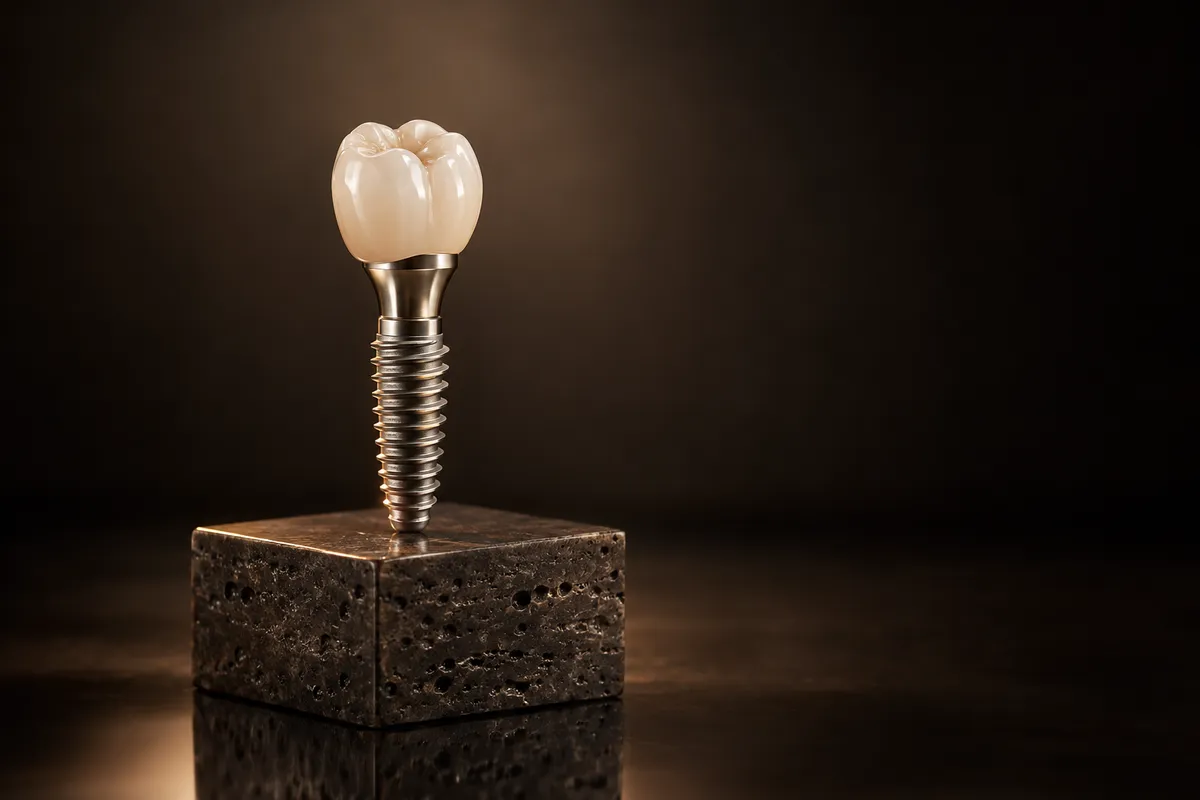
Fixed replacement teeth for one or several gaps, anchored in the jawbone and planned around your bite, bone and health.
Full mouth reconstruction
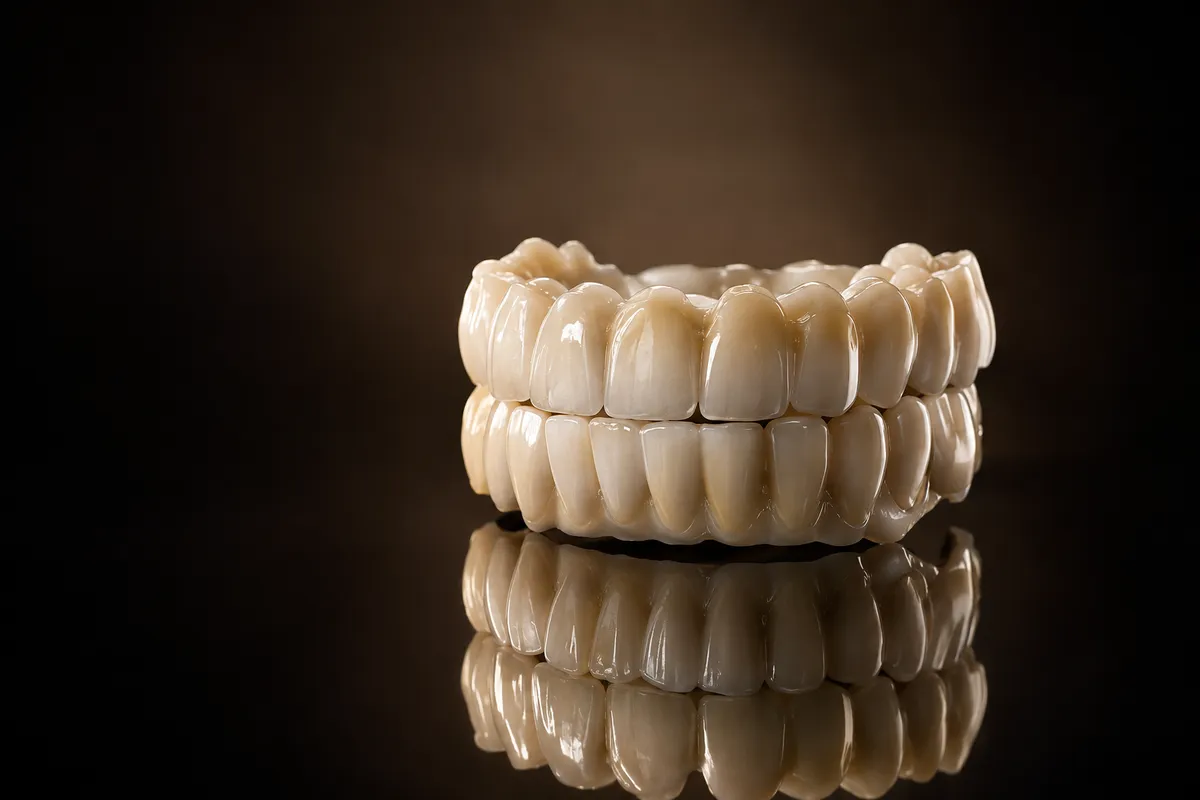
One coordinated plan for a mouth with many problems, restoring how your teeth work and look, phase by phase.
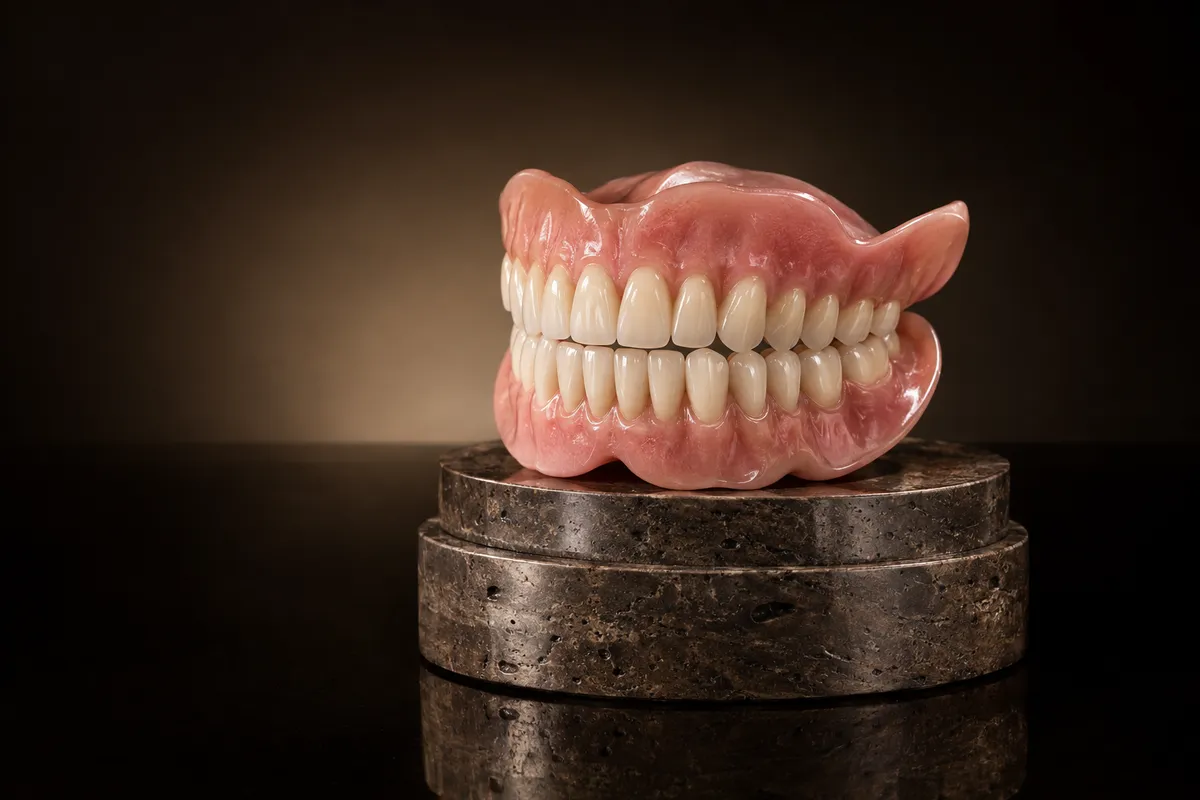
Dentures
Custom full and partial dentures that replace missing teeth and make eating and talking easier.
VISIT US
Talk with us about All-on-4 and All-on-6.
Request an appointment online or call the office. A request is not a confirmed appointment; our front desk will contact you.
Dentist on Madison
274 Madison Ave, Rm 202, New York, NY 10016Madison Avenue at East 40th Street, Midtown Manhattan
- Monday & Thursday
- 12 PM to 8 PM
- Tuesday
- 11 AM to 5 PM
- Wednesday
- 10 AM to 6 PM
- Friday
- 8 AM to 5 PM
- Sunday
- 10 AM to 5 PM
- Saturday
- Closed