
MIDTOWN MANHATTAN · 274 MADISON AVENUE
Dental Implants in Midtown Manhattan
Fixed replacement teeth for one or several gaps, anchored in the jawbone and planned around your bite, bone and health.
- 4.9 rating from 409 Google reviews
- Platinum Invisalign Provider 2025
- FICOI · FAAIP implant fellowships
- Open Sundays and two evenings a week
Dentist on Madison provides dental implants in Midtown Manhattan from its office at 274 Madison Avenue. A missing tooth affects more than your smile. It can make chewing harder, and over time the bone where the root used to be shrinks and nearby teeth can drift into the gap. A dental implant replaces the tooth from the root up, giving a new crown or bridge a stable base. Dr. Avner plans and places implants for one or several missing teeth himself, here at the office.
Who dental implants can help
Implants are worth discussing if you:
- are missing a tooth because of decay, a crack, gum disease or an injury
- are missing several teeth, side by side or in different parts of your mouth
- have a tooth that can't be saved and will need to come out
- wear a partial denture that feels loose or uncomfortable and would prefer fixed teeth
- would rather not have healthy neighboring teeth reshaped to hold a bridge
A good candidate has healthy gums, enough jawbone to hold an implant (or bone that can be rebuilt) and general health that allows minor surgery. Smoking, poorly controlled diabetes, some medicines that affect bone, past radiation to the head or neck and heavy grinding can affect how an implant heals and how long it lasts. None of these automatically rules you out, but each one needs a frank conversation first. Implants are usually placed only once the jaw has finished growing, so they rarely suit children and younger teens.
What a dental implant is
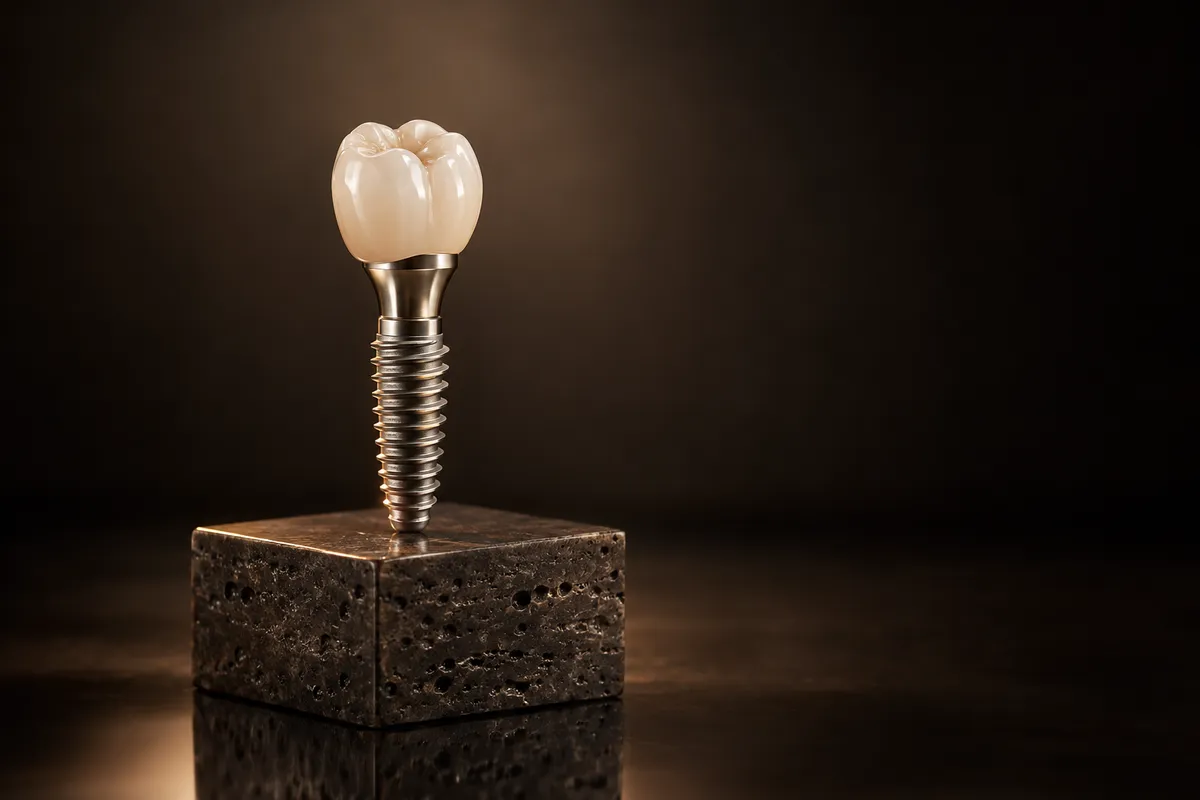
An implant tooth has three parts:
- The implant. A small screw-shaped post, usually made of titanium, that sits in the jawbone where the root used to be.
- The abutment. A connector that attaches to the implant and rises just above the gum.
- The restoration. The crown, bridge or denture you see and chew with.
As the area heals, the bone grows tightly against the surface of the implant. This bond, called osseointegration, is what lets an implant handle the force of chewing.
One implant can carry a single crown, and two or more implants can support a bridge, so you don't always need an implant for every missing tooth. When most or all teeth in a jaw are missing or failing, a full arch can be attached to four or six implants; see our All-on-4 and All-on-6 page.
Benefits and what to expect
Compared with other ways of replacing a tooth, an implant has several advantages:
- It stands on its own. A traditional bridge relies on crowns over the neighboring teeth, which have to be reshaped. An implant doesn't.
- It stays put. Implant crowns and bridges are fixed in place. You brush and floss them like natural teeth.
- It helps preserve bone. The jawbone slowly shrinks where a tooth is missing. An implant carries chewing forces into the bone, which helps maintain it.
- It is made to blend in. The crown is shaped and shaded to match your other teeth.
Implant placement is a minor surgical procedure. We use anesthesia so the area is numb, though you may feel pressure. Soreness, swelling or bruising is common for a few days, and we'll go over aftercare with you before you leave.
Implants can't get cavities, but the gum and bone around them can become inflamed and infected, a condition called peri-implantitis. Daily cleaning and regular checkups and cleanings matter as much for implants as for natural teeth. Like any treatment, implants carry risks: an implant may fail to bond with the bone, and crowns can chip or wear. Results vary from person to person, and we'll discuss the risks and alternatives before you decide.
How implant treatment works, step by step
- Consultation and examination. Dr. Avner examines your teeth, gums and bite, reviews your health history and medications, and takes X-rays to check the bone and nearby nerves and sinuses. He speaks English, Spanish, Russian and Farsi.
- Your treatment plan. We explain how many implants you need, what will go on them, any treatment needed first, the expected timeline and the fees, along with alternatives such as a bridge or a denture.
- Getting the site ready. A damaged tooth is removed first (see tooth extraction), and active gum disease is treated. Sometimes the implant can go in at the same visit; often the area needs to heal first.
- Placing the implant. With the area numb, Dr. Avner places the implant in the bone. The gum is closed over it, or a small healing cap is left showing.
- Healing. The bone bonds with the implant, often over several months. If the gap shows when you smile, we'll discuss a temporary tooth for this stage.
- Making your crown or bridge. Once the implant is stable, the abutment is attached and impressions are taken. Our office has an on-site dental laboratory, which we use for restorations such as crowns and bridges.
- Fitting and follow-up. The final crown or bridge is attached and your bite is adjusted. Regular checkups then let us monitor the implant and the gum around it.

YOUR DENTIST
Dr. Avner C. Mullokandov
D.D.S., FICOI, FAAIP
Dr. Avner C. Mullokandov, D.D.S., is a cosmetic and implant dentist and a native New Yorker practicing on Madison Avenue in Manhattan. He speaks English, Spanish, Russian and Farsi.
Read Dr. Avner’s profileCOST, INSURANCE AND PAYMENT
Cost, insurance and payment
The cost depends on your plan: how many implants you need, whether an extraction or bone graft comes first, and what goes on top. We can give you fees only after an examination, and we go over them with you before treatment begins.
Whether your dental insurance pays toward any part of implant treatment depends on your plan, so check your benefits with your insurer. Our insurance page lists the 20 carriers we accept. We also accept cash, checks and major credit cards, and offer payment plans through Cherry, subject to Cherry's approval; see payment plans.
CURRENT OFFER
20% Off Implant
When the implant, abutment and crown are paid for upfront. Full payment is due when treatment begins.
QUESTIONS
Frequently asked questions
How long do dental implants last?
An implant can last many years when the gum and bone around it stay healthy, but no one can promise a specific lifespan. Daily cleaning, regular checkups, your general health and habits such as smoking or grinding all play a part. The crown wears with use and may need replacing at some point.
Does getting an implant hurt?
The area is numbed first, so what you're most likely to notice is pressure. Soreness and swelling are common for a few days afterward, and we'll explain how to manage them. If the pain gets worse instead of better after the first few days, call the office.
How long does the whole process take?
Usually several months from the first visit to the final crown, mainly because the bone needs time to bond with the implant; an extraction or graft adds time. Your plan includes an estimated timeline, and our evening hours until 8 PM on Mondays and Thursdays, plus Sunday hours, can make visits easier to fit around work.
Should I choose an implant or a bridge?
Both can replace a missing tooth. A bridge relies on crowns over the neighboring teeth and can usually be finished sooner, without surgery. An implant leaves those teeth untouched but needs surgery and healing time. The choice depends on your nearby teeth, bone, health and preferences; our dental bridges page explains that option.
Can I get an implant if I've lost bone in my jaw?
Possibly. Thin or short bone can sometimes be rebuilt with a graft before the implant goes in, and in full-arch treatment implants can sometimes be angled to use the bone that is there. Dr. Avner will tell you what applies after reviewing your X-rays.
Am I too old for dental implants?
Age alone is rarely the deciding factor. Your general health, medicines, healing and the condition of your gums and bone matter more, and we review all of them at your consultation.
Related treatments
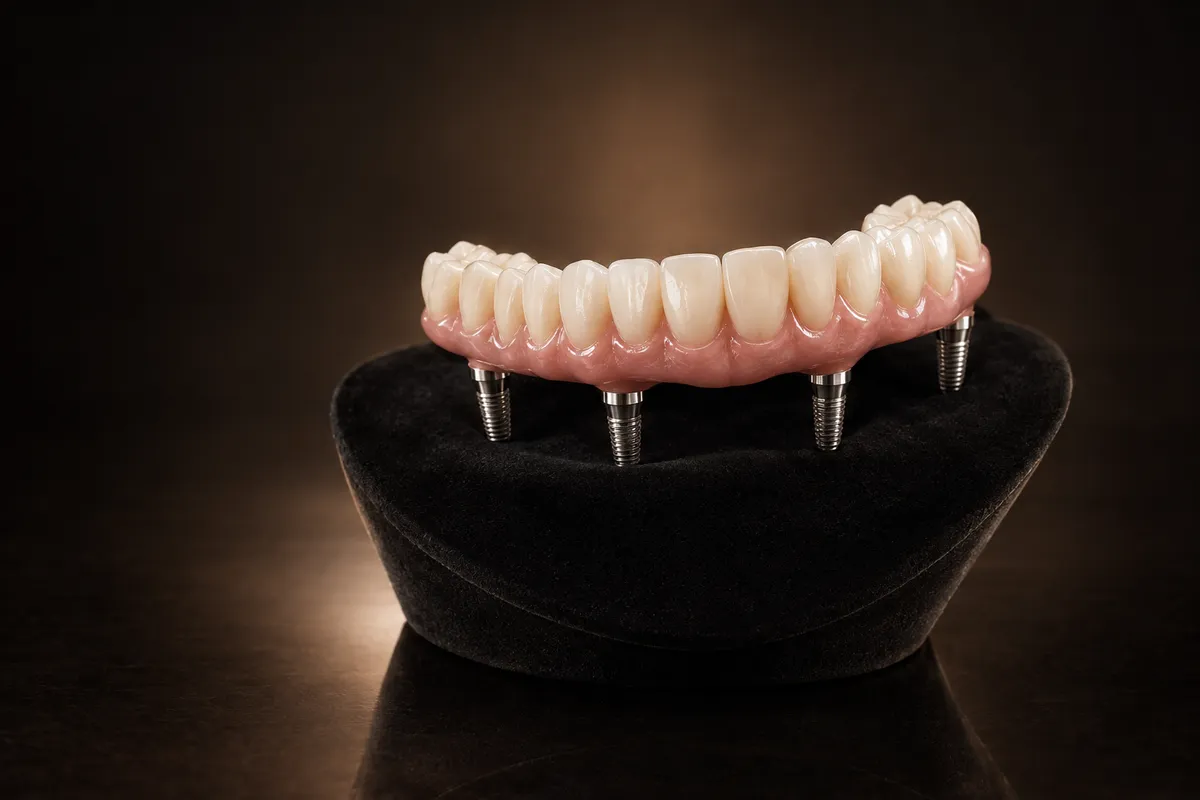
All-on-4 and All-on-6
A full arch of fixed teeth held by four or six dental implants, for people missing most or all of their teeth in one jaw.
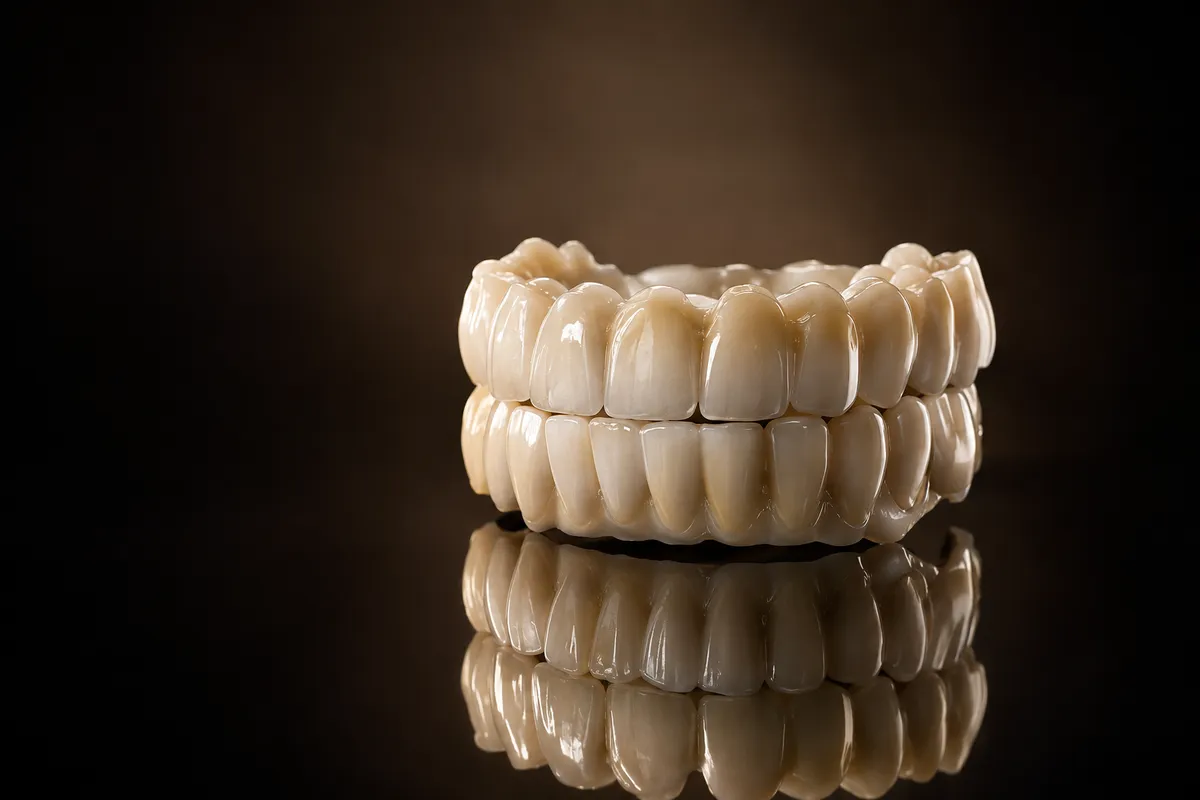
Full mouth reconstruction
One coordinated plan for a mouth with many problems, restoring how your teeth work and look, phase by phase.
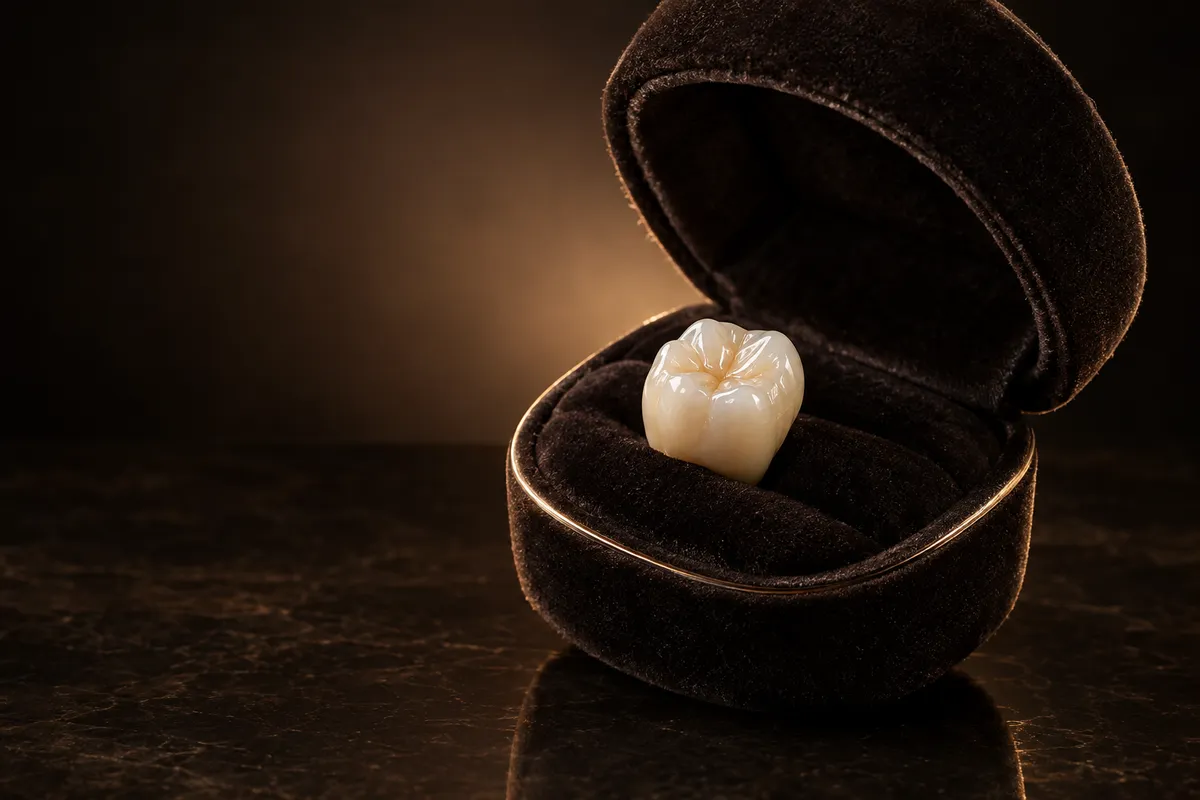
Dental crowns
Custom crowns that protect cracked, worn or weakened teeth and restore the way they look and work.
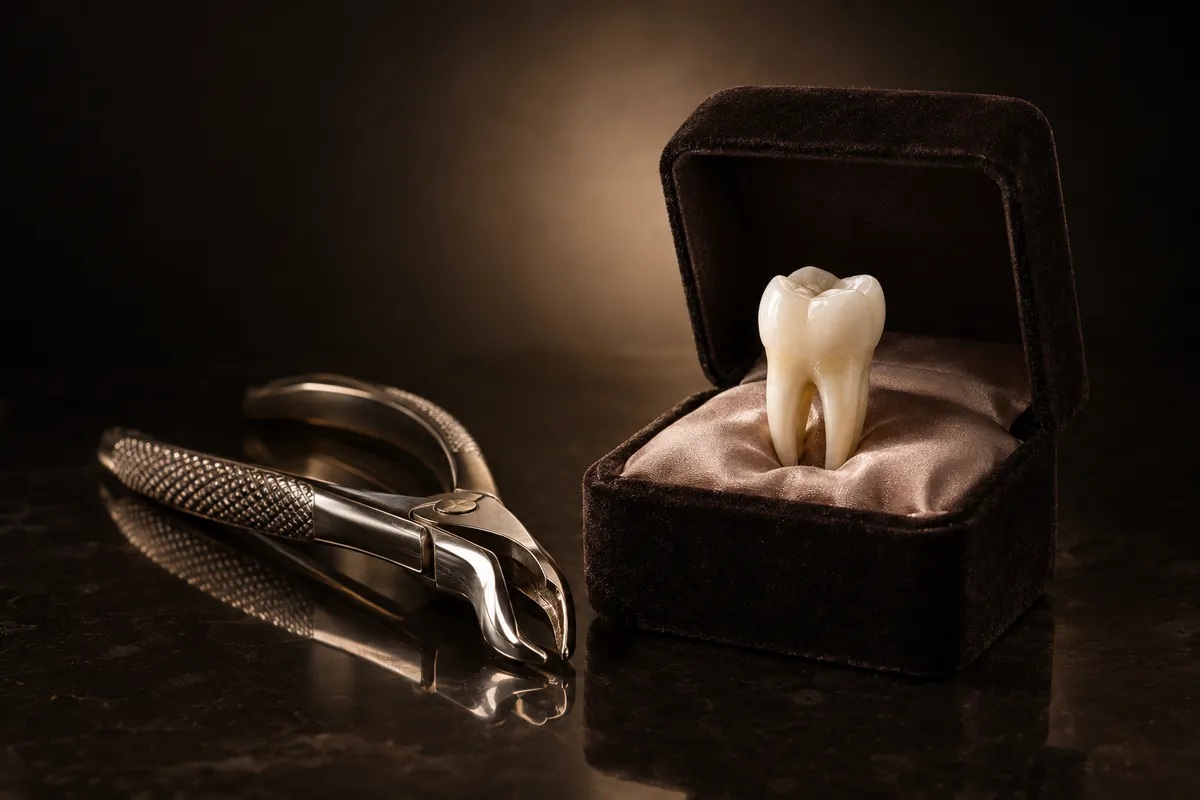
Tooth extraction
When a tooth cannot be saved, a careful extraction removes the source of pain and infection and lets the area heal.
Further reading
VISIT US
Talk with us about dental implants.
Request an appointment online or call the office. A request is not a confirmed appointment; our front desk will contact you.
Dentist on Madison
274 Madison Ave, Rm 202, New York, NY 10016Madison Avenue at East 40th Street, Midtown Manhattan
- Monday & Thursday
- 12 PM to 8 PM
- Tuesday
- 11 AM to 5 PM
- Wednesday
- 10 AM to 6 PM
- Friday
- 8 AM to 5 PM
- Sunday
- 10 AM to 5 PM
- Saturday
- Closed