
MIDTOWN MANHATTAN · 274 MADISON AVENUE
Dental Bridges in Midtown Manhattan
Fixed replacement teeth for a gap in your smile, supported by the teeth beside it or by dental implants.
- 4.9 rating from 409 Google reviews
- Platinum Invisalign Provider 2025
- FICOI · FAAIP implant fellowships
- Open Sundays and two evenings a week
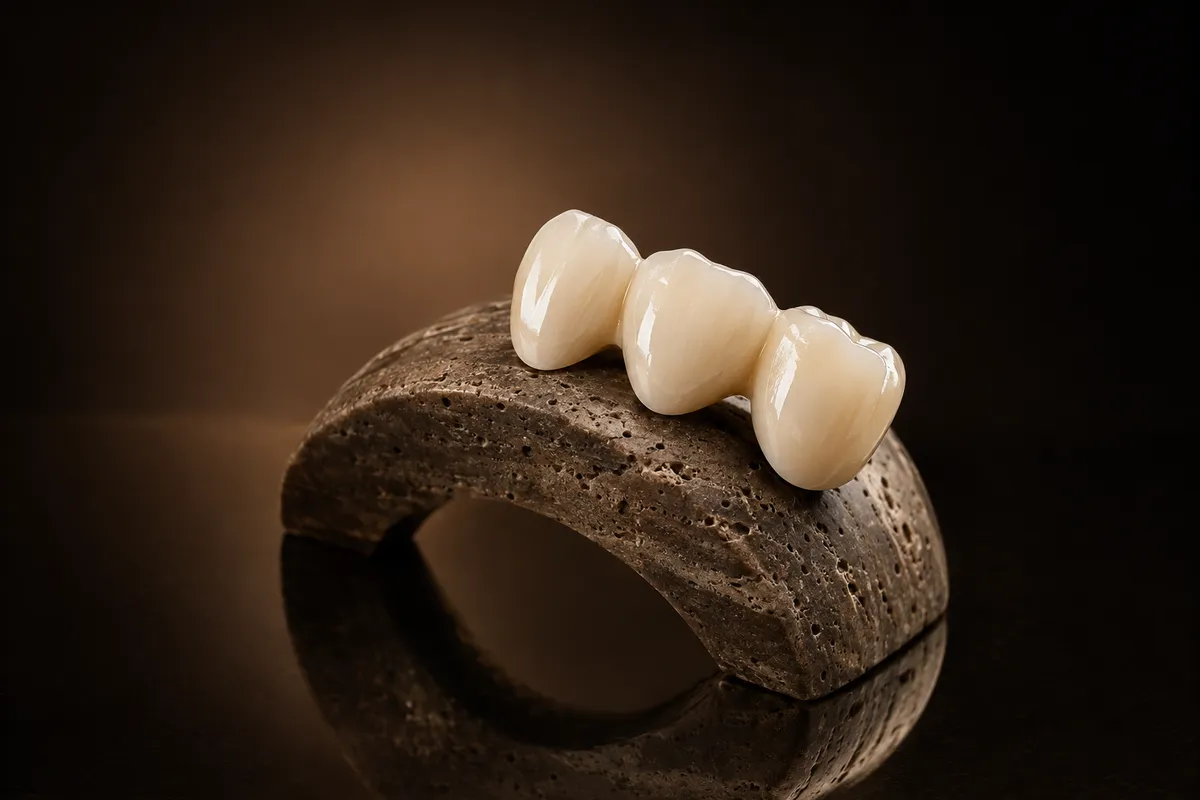
Dentist on Madison provides dental bridges in Midtown Manhattan from its office at 274 Madison Avenue. A dental bridge replaces one or more missing teeth with a restoration that stays fixed in your mouth, so there's nothing to take out at night. Dr. Avner plans bridges supported by natural teeth or by dental implants. Our practice has an on-site dental laboratory, which we use for restorations such as crowns and bridges.
Who a dental bridge can help
A gap from a missing tooth affects more than your smile. Over time, the teeth on either side can tilt or drift into the space, and the tooth in the opposite jaw can move out of position because nothing meets it. These changes can affect your bite, trap food and make the area harder to clean.
A bridge may suit you if:
- you're missing one tooth, or a few teeth in a row
- the teeth beside the gap are strong enough to support it, or implants can be placed
- your gums are healthy, or gum disease has been treated first
- you'd prefer a fixed replacement to a removable partial denture
A traditional bridge is often a sensible choice when the teeth next to the gap already have large fillings or crowns, because new crowns can protect them too. When several teeth are missing in different places, a partial denture may be a better fit.
What a dental bridge is
A bridge is one connected piece with two kinds of parts. The replacement tooth that fills the gap is called a pontic. It is joined to supports called abutments, which are usually crowns on the neighboring teeth or on implants. The bridge is fixed in place at the office, and you can't remove it yourself.
The main designs are:
- Traditional bridge. Crowns on the teeth on both sides of the gap hold the replacement tooth between them.
- Implant-supported bridge. Dental implants serve as the anchors instead of natural teeth, so several missing teeth in a row can be replaced without involving the neighboring teeth. Our practice offers implant-supported bridges.
- Cantilever bridge. The replacement tooth is supported from one side only. It is used in limited situations where chewing forces are low.
- Resin-bonded bridge. Also called a Maryland bridge, it attaches to the back of the neighboring teeth with small wings, so those teeth need little or no reshaping. It is mainly used for front teeth.
Bridges can be made from ceramic, porcelain fused to metal or other materials. The right design and material depend on where the gap is, the health of the neighboring teeth, the bone and your bite.
Benefits and what to expect
A bridge can:
- fill the gap so your smile looks complete
- make chewing and speaking easier
- help keep the neighboring teeth from drifting into the space
- spread biting forces more evenly across your teeth
- stay fixed in place, with no clasps to take in and out
For a traditional bridge, the supporting teeth are reshaped for crowns, and that change can't be undone. A temporary bridge may protect the prepared teeth until the final one is ready. It isn't as strong, so chew carefully on that side.
Once the final bridge is in, it can take a little while to get used to. Floss can't pass between the joined teeth, so you'll learn a new way to clean under the replacement tooth.
A bridge can serve you for many years with good care, but decay or gum disease around the supporting teeth can shorten its life, so daily cleaning and regular checkups matter. Results vary, and what is realistic for your mouth depends on an examination.
How the bridge process works, step by step
- Consultation and exam. Dr. Avner examines the gap, the teeth on each side, your gums and your bite, and takes X-rays to check the roots and the bone.
- Choosing a plan. We compare the options for your gap, such as a traditional bridge, an implant-supported bridge, a single implant or a partial denture, and go over the fees.
- Treatment first, if needed. Decay, gum problems or a failing tooth are treated before the bridge is made. For an implant-supported bridge, the implants are placed first, and the bone needs time to heal around them, often a few months, before the bridge is attached.
- Preparing the supporting teeth. With the area numb, the teeth beside the gap are shaped so the crowns can fit over them.
- Impressions and shade. We record the prepared teeth, the gap and your bite, and choose a shade that matches your other teeth.
- Fitting. We check the fit, your bite, how the bridge meets the gum and the color, make any adjustments and fix the bridge in place.
- Follow-up. We check how the bridge feels, fine-tune the bite if needed and go over your cleaning routine.
YOUR DENTIST
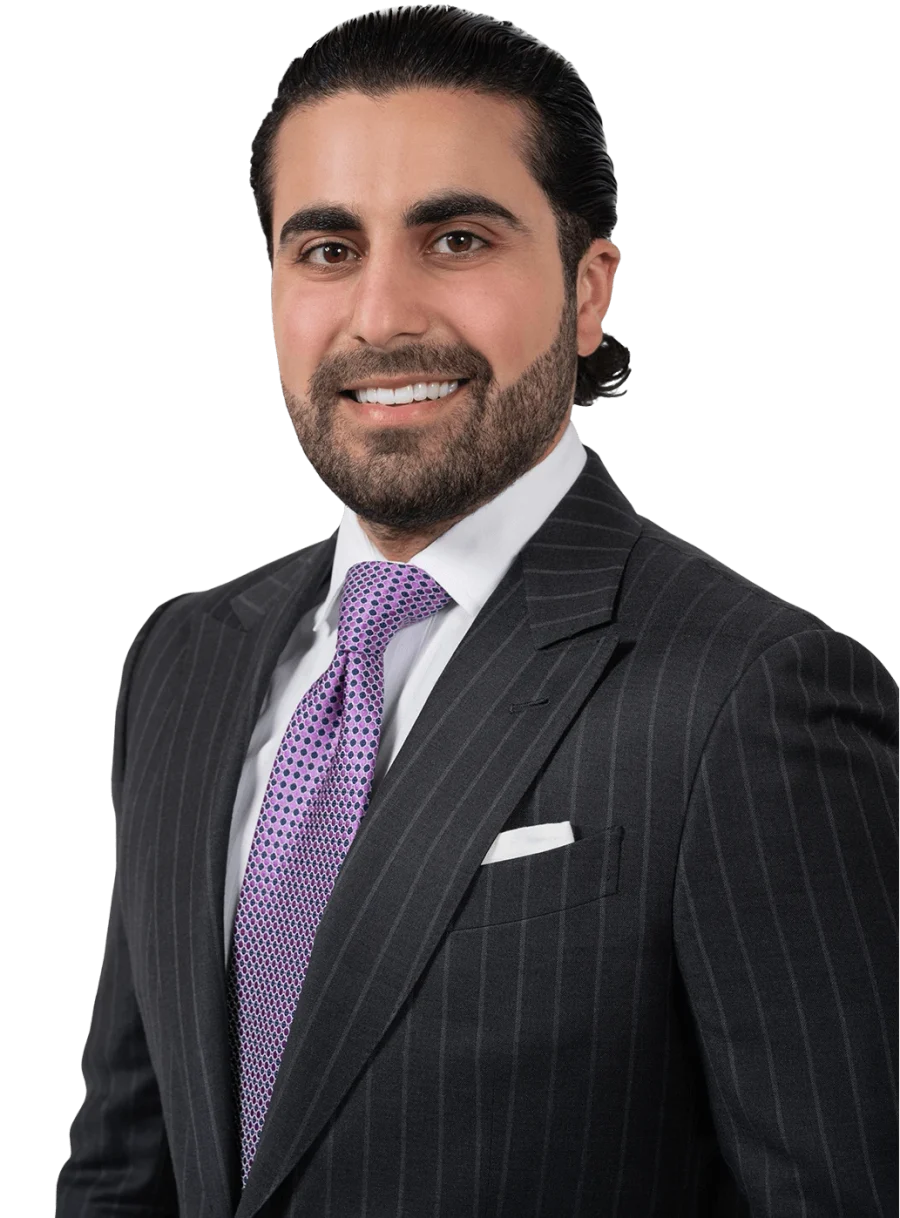
Dr. Avner C. Mullokandov
D.D.S., FICOI, FAAIP
Dr. Avner C. Mullokandov, D.D.S., is a cosmetic and implant dentist and a native New Yorker practicing on Madison Avenue in Manhattan. He speaks English, Spanish, Russian and Farsi.
Read Dr. Avner’s profileCOST, INSURANCE AND PAYMENT
Cost, insurance and payment
The cost of a bridge depends on how many teeth it replaces, the design, the material and whether implants or other treatment are needed first. Ask us for the fee for your treatment plan before you decide.
Insurance coverage depends on your plan. The 20 carriers we accept are listed on our insurance page. Finding your carrier there doesn't mean your plan covers a bridge, so check your benefits with your insurer too. We accept cash, checks and major credit cards, and payment plans are available through Cherry, subject to Cherry's approval. See our payment options.
QUESTIONS
Frequently asked questions
Is a bridge or an implant better for a missing tooth?
Neither is right for everyone. A traditional bridge doesn't need surgery and is often finished sooner, but it relies on the neighboring teeth, which are reshaped for crowns unless they already have them. A dental implant replaces the tooth on its own and leaves the neighbors untouched, but it needs enough healthy bone and time to heal. Dr. Avner will explain the trade-offs for your mouth after an exam.
How long does a dental bridge last?
It varies. A bridge's lifespan depends on the health of the supporting teeth and gums, your bite, any grinding habit and your daily cleaning. Regular checkups let us spot problems at the edges of the crowns early, while they're easier to fix.
Does getting a bridge hurt?
We numb the teeth before preparing them, so you should feel pressure rather than sharp pain. Some gum soreness and sensitivity to hot or cold are common for a few days afterward. If the discomfort grows or your bite feels uneven, call the office.
How do I clean under a bridge?
Brush twice a day as usual. Once a day, clean under the replacement tooth with a floss threader, bridge floss or a small interdental brush, and clean around the supporting teeth. Some people find a water flosser helpful. We'll show you a routine when the bridge is placed.
Can an old or loose bridge be replaced?
Often, yes. If a bridge feels loose, has chipped, or you notice a bad taste or decay around it, book a visit. Dr. Avner will check the supporting teeth and explain whether the bridge can be recemented or needs to be replaced. If a bridge comes out or a supporting tooth breaks, call the office; we see urgent problems such as broken teeth during office hours, as explained on our emergency dental care page. For a medical emergency, call 911.
Related treatments
Dental crowns
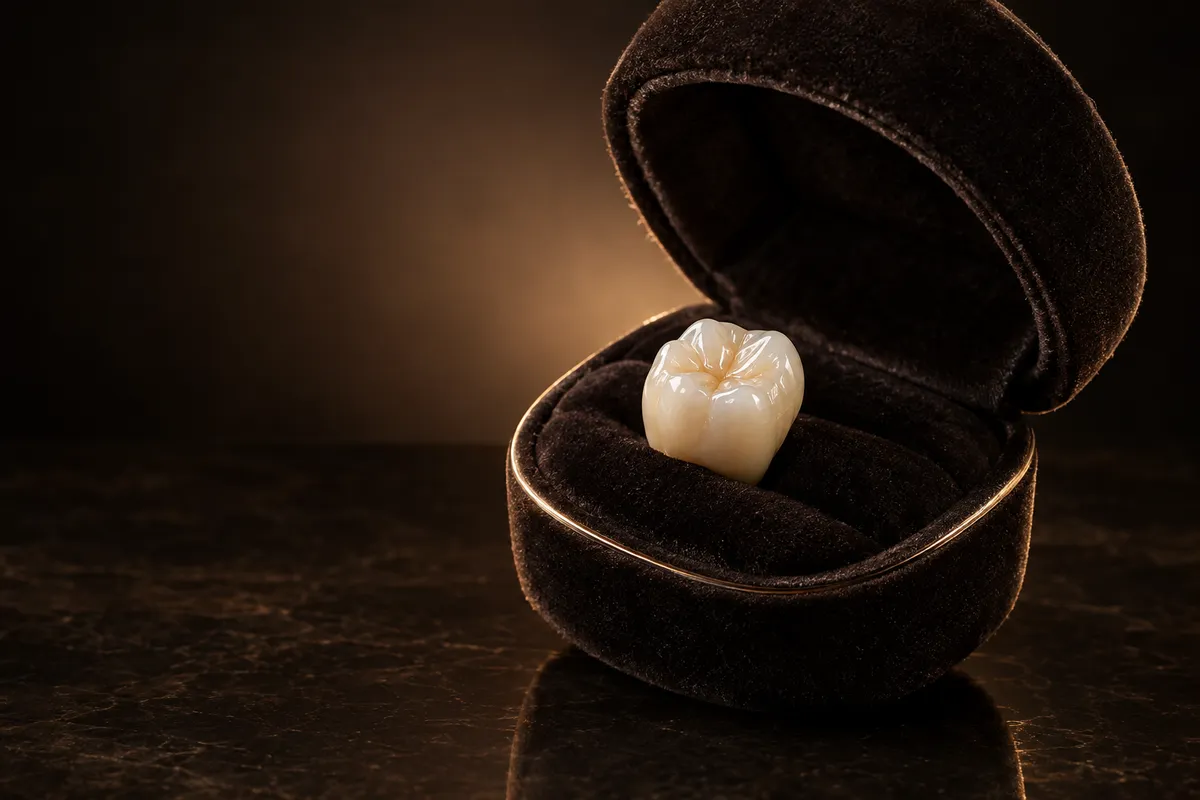
Custom crowns that protect cracked, worn or weakened teeth and restore the way they look and work.
Dental implants
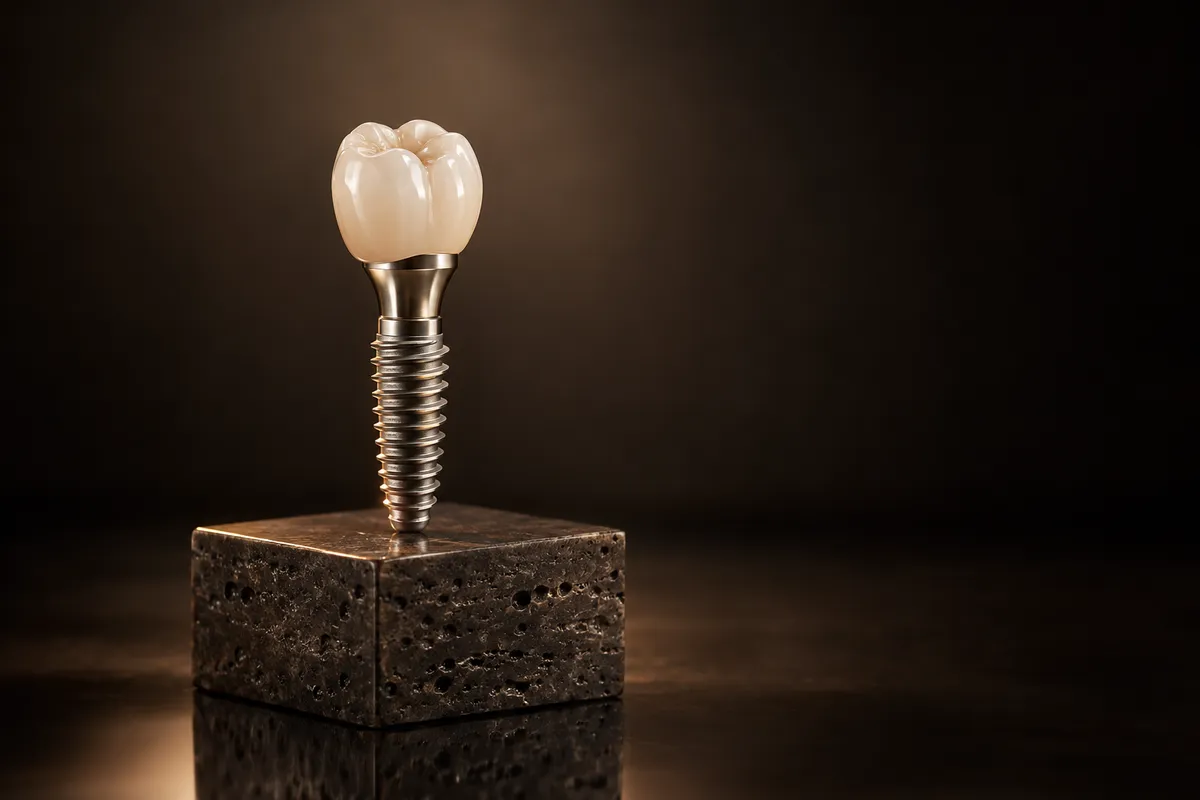
Fixed replacement teeth for one or several gaps, anchored in the jawbone and planned around your bite, bone and health.
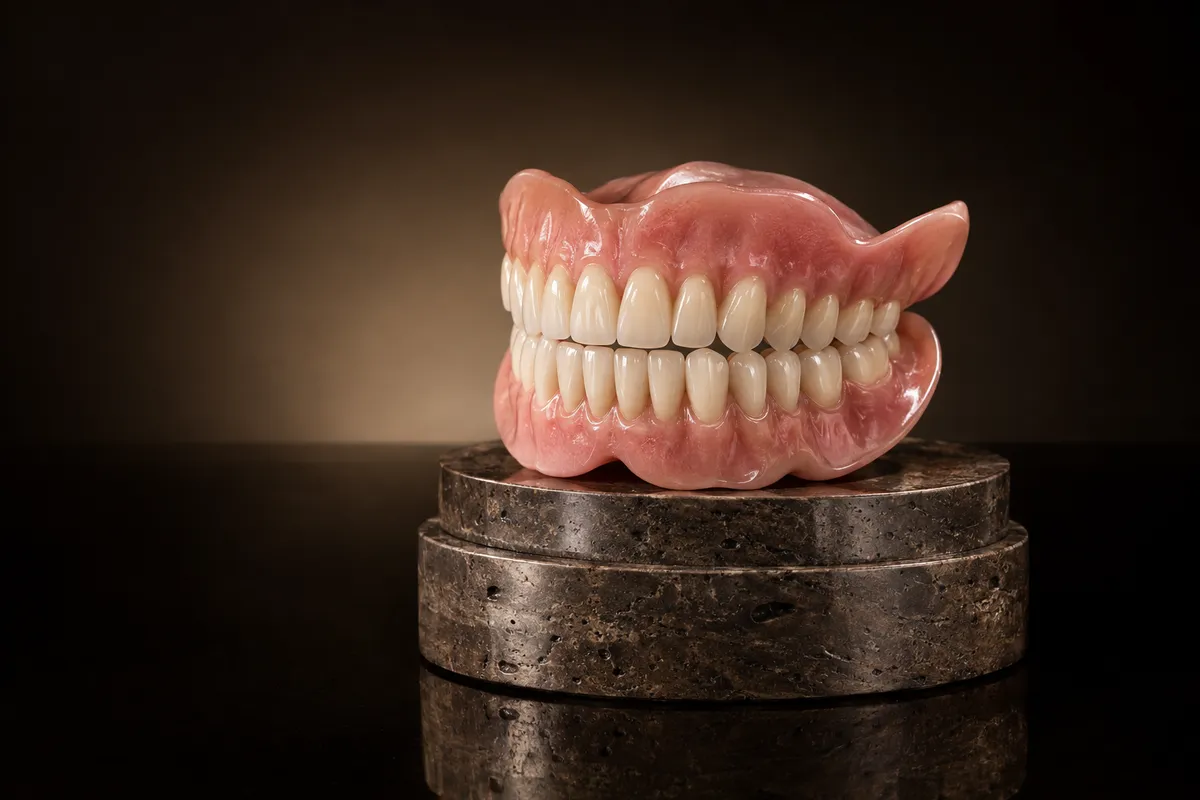
Dentures
Custom full and partial dentures that replace missing teeth and make eating and talking easier.
VISIT US
Talk with us about dental bridges.
Request an appointment online or call the office. A request is not a confirmed appointment; our front desk will contact you.
Dentist on Madison
274 Madison Ave, Rm 202, New York, NY 10016Madison Avenue at East 40th Street, Midtown Manhattan
- Monday & Thursday
- 12 PM to 8 PM
- Tuesday
- 11 AM to 5 PM
- Wednesday
- 10 AM to 6 PM
- Friday
- 8 AM to 5 PM
- Sunday
- 10 AM to 5 PM
- Saturday
- Closed