
MIDTOWN MANHATTAN · 274 MADISON AVENUE
Tooth Extraction in Midtown Manhattan
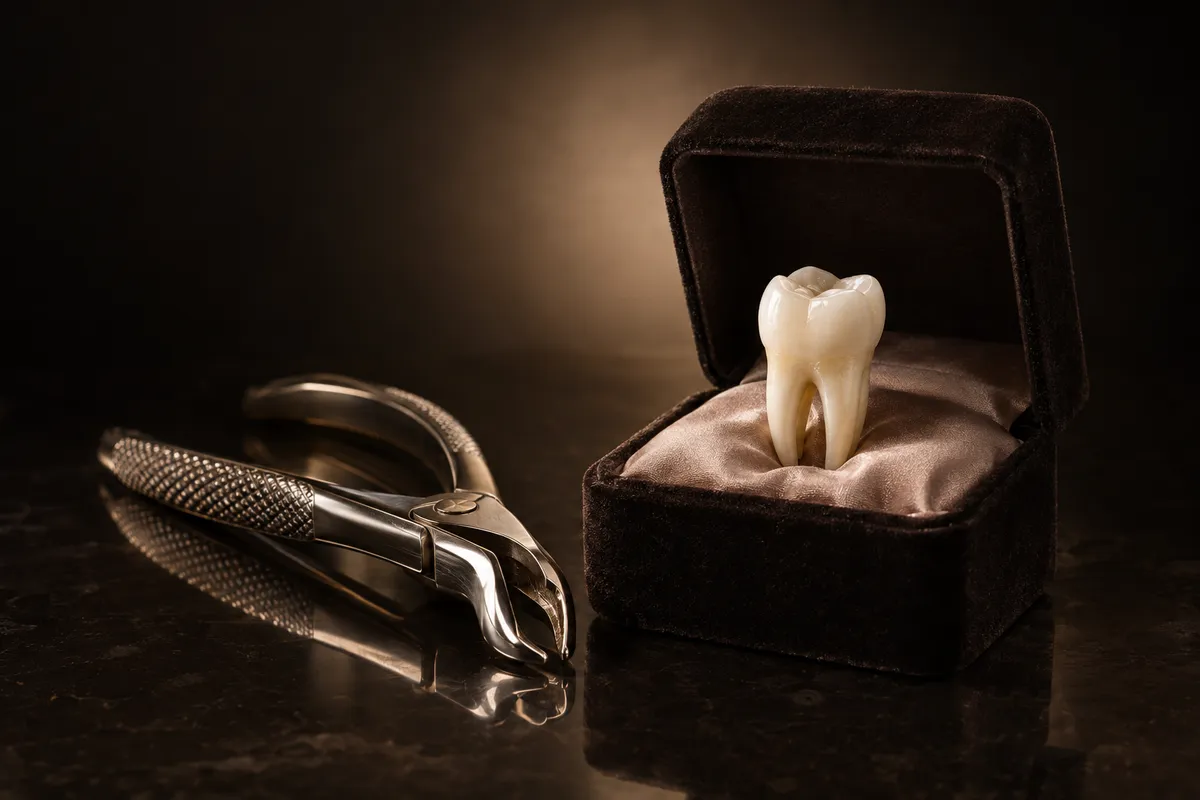
When a tooth cannot be saved, a careful extraction removes the source of pain and infection and lets the area heal.
- 4.9 rating from 409 Google reviews
- Platinum Invisalign Provider 2025
- FICOI · FAAIP implant fellowships
- Open Sundays and two evenings a week
Our first aim is to keep your natural teeth. Sometimes, though, a tooth is too damaged, infected or loose to save, and removing it is the healthier choice for the rest of your mouth. At our office on Madison Avenue, Dr. Avner examines the tooth, explains why an extraction is recommended and goes over what can replace the tooth afterward.
When a tooth may need to be removed
We recommend an extraction only when saving the tooth is not possible or not sensible. Common reasons include:
- decay that has destroyed too much of the tooth to hold a filling or crown
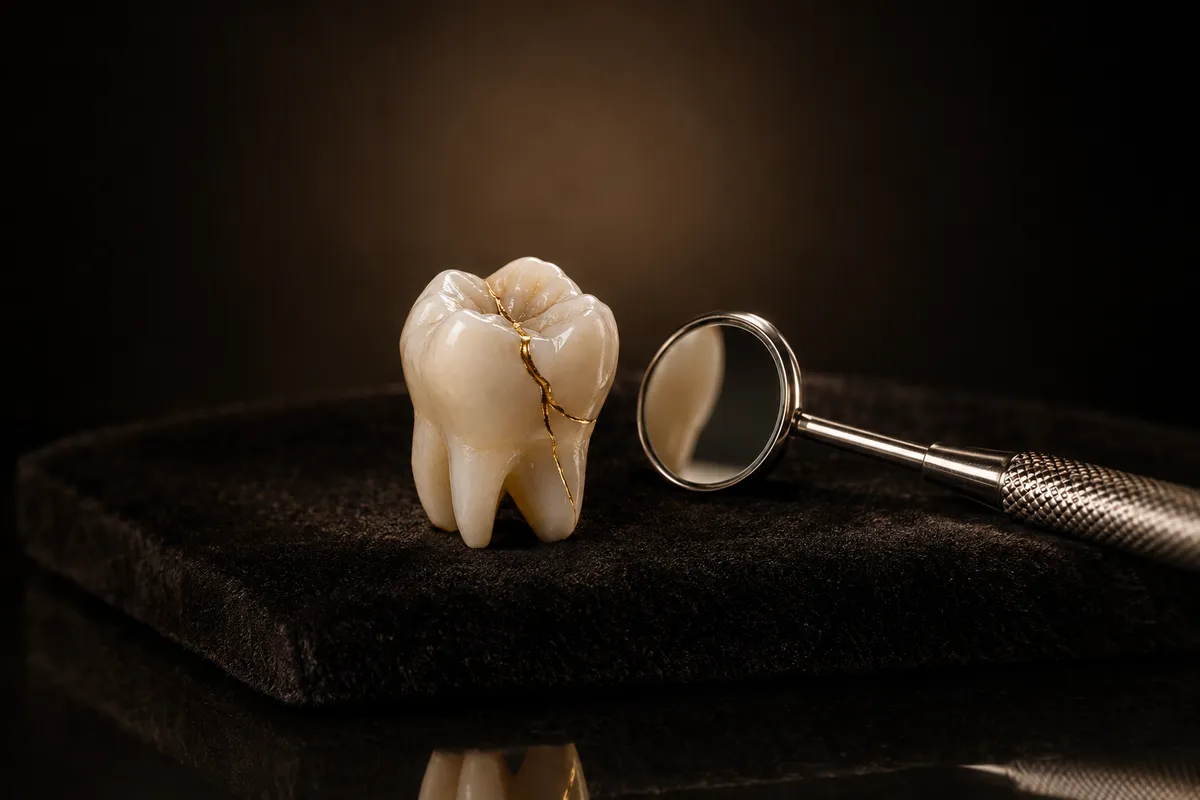
- a tooth that is cracked down the root or broken below the gum line
- a severe infection that cannot be treated with a root canal, or when you decide against one
- advanced gum disease that has left a tooth loose
- wisdom teeth that are partly erupted, keep getting infected, have decay or are damaging the tooth next to them
- teeth that need to come out as part of a larger plan, such as dentures or implants
If a tooth can still be saved with a root canal or a crown, we will tell you and explain the pros and cons of each option. The final decision is yours.
What a tooth extraction involves
An extraction removes the whole tooth, including its roots, from the jaw. There are two main types.
A simple extraction is used for a tooth that is fully visible above the gum. The tooth is gently rocked to loosen the ligament that holds it and widen the socket, then lifted out.
A surgical extraction is used when a tooth has broken off at the gum line, has long or curved roots, or has not fully come in (an impacted tooth). A small opening is made in the gum, and the tooth is sometimes divided into sections so it can be removed with less force. Our office performs surgical extractions as well as simple ones.
Dr. Avner is a general dentist who has completed advanced courses in oral surgery. When a wisdom tooth is deeply impacted, or a root sits very close to a nerve or the sinus, he may recommend an oral surgeon instead. Other surgical procedures we offer are described on our oral surgery page.
Benefits and recovery
Removing a tooth that cannot be saved takes away a source of pain and infection and protects the nearby teeth, gum and bone. It can also be the first step toward a stable replacement.
Some bleeding in the first hours afterward is normal, and soreness and swelling usually peak in the first few days and then fade. Plan to take it easy for the rest of the day.
One complication to know about is dry socket. It happens when the blood clot in the socket breaks down or comes loose too early, leaving bone exposed. The typical sign is pain that gets worse a few days after the extraction instead of better. Smoking and vaping raise the risk, and suction from a straw can disturb the clot. Call the office if pain increases after the first few days, or if you have a fever or swelling that keeps growing.
Unless the tooth was a wisdom tooth, plan for what will fill the gap. Over time, nearby teeth can tip into the space, the tooth above or below can move toward it, and the bone in that area shrinks. Options include a dental implant, a dental bridge or dentures. Implant dentistry is one of Dr. Avner's main areas of focus. If you are considering an implant, tell us before the extraction, because that plan can affect how the site is handled.
Healing and results vary from person to person, and your plan depends on the exam.
How a tooth extraction works, step by step
- Exam and X-ray. Dr. Avner examines the tooth and takes an X-ray to see the roots, the bone around them and nearby structures such as nerves and the sinus.
- Health review. We go over your medical history and medications. Tell us if you take blood thinners or medication for osteoporosis, or if you have diabetes, a heart condition or another health issue, because these can affect planning and healing.
- Plan and consent. We explain whether the extraction will be simple or surgical, what recovery looks like, the cost and the options for replacing the tooth.
- Numbing. Local anesthesia is given, and we check that the area is numb before starting.
- Removing the tooth. The tooth is loosened and lifted out, or removed in sections during a surgical extraction.
- Closing the site. The socket is cleaned, stitches are placed if needed, and you bite on gauze to help a blood clot form.
- Aftercare and follow-up. You go home with aftercare instructions. If stitches need removing or healing needs a check, we book a follow-up visit, which is also a good time to plan a replacement.

YOUR DENTIST
Dr. Avner C. Mullokandov
D.D.S., FICOI, FAAIP
Dr. Avner C. Mullokandov, D.D.S., is a cosmetic and implant dentist and a native New Yorker practicing on Madison Avenue in Manhattan. He speaks English, Spanish, Russian and Farsi.
Read Dr. Avner’s profileCOST, INSURANCE AND PAYMENT
Cost, insurance and payment
The cost depends mainly on whether the extraction is simple or surgical, where the tooth sits, whether it is impacted and which X-rays are needed. Replacing the tooth is a separate treatment with its own cost. You will know the recommended plan and its cost before we begin.
Coverage depends on your dental plan. We list 20 insurance carriers on our insurance page, but a listed carrier does not guarantee coverage; your plan decides what is paid. We accept cash, checks and major credit cards. Payment plans are available through Cherry, subject to Cherry's approval. See our payment plans page for details.
QUESTIONS
Frequently asked questions
Will a tooth extraction hurt?
Local anesthesia numbs the tooth and the area around it, so you should feel pressure as the tooth is loosened but not sharp pain. If you do feel anything sharp, tell us and we will numb the area further. Once the numbness wears off, expect soreness for a few days; over-the-counter pain relievers usually help, and Dr. Avner will tell you what to take.
How long does it take to heal?
Soreness after a simple extraction often improves within a few days. The gum closes over the socket during the following weeks, and the bone underneath keeps filling in for several months. Surgical extractions and wisdom teeth usually take longer.
What can I eat after an extraction?
For the first day or two, choose soft, cool or lukewarm foods such as yogurt, eggs or mashed potatoes. Chew on the other side and avoid crunchy, spicy or very hot foods until the area feels comfortable. Skip straws and smoking so the clot stays in place.
Can you remove my wisdom teeth?
It depends on how they are positioned. A wisdom tooth that has fully come in can often be removed like any other tooth, while an impacted one may need a surgical extraction. After an exam and X-ray, Dr. Avner will tell you whether the extraction can be done at our office or whether he recommends an oral surgeon.
Can I have a painful tooth removed right away?
Call the office during office hours if you have a painful, broken or infected tooth. We treat urgent dental problems and will try to see you soon, but we cannot promise treatment on the same day, and whether the tooth comes out at the first visit depends on the exam. Read more about emergency dental care. If swelling affects your breathing or swallowing, call 911.
Related treatments
Oral surgery
Tooth extractions and dental implant placement at our office, with careful planning and clear aftercare instructions.
Dental implants
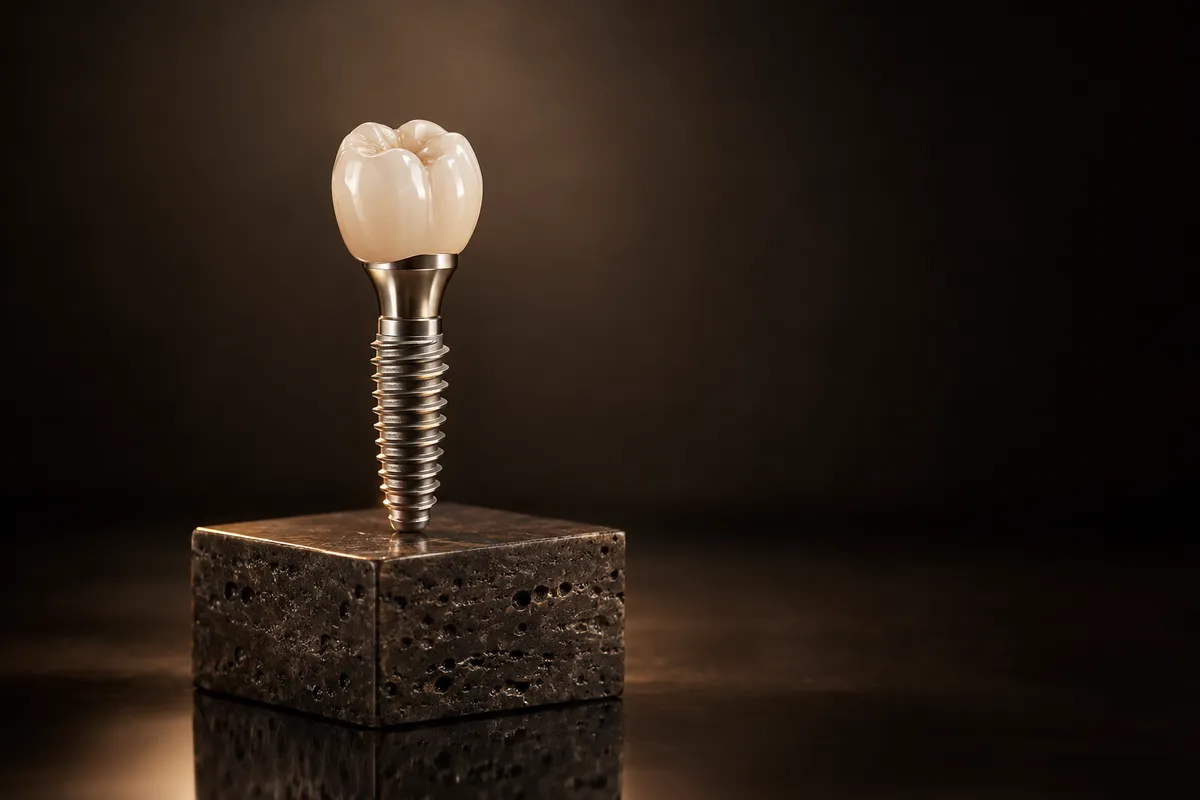
Fixed replacement teeth for one or several gaps, anchored in the jawbone and planned around your bite, bone and health.
Dental bridges
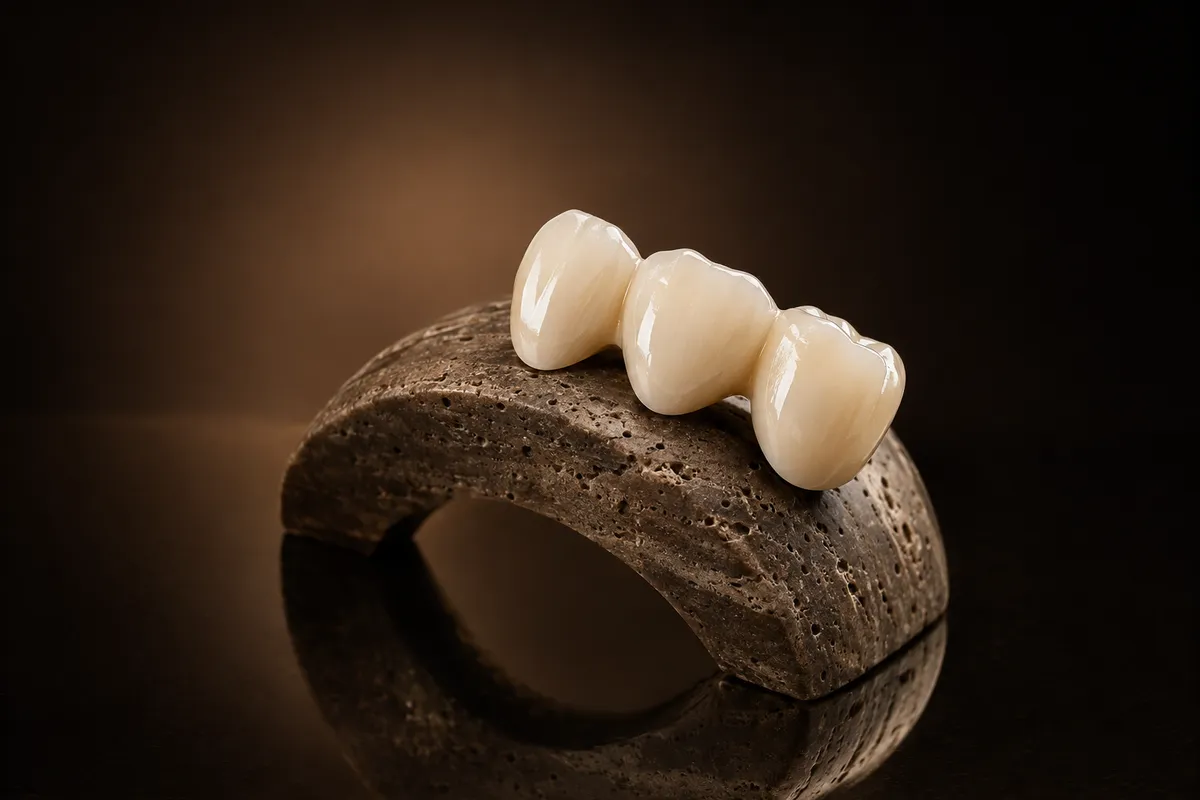
Fixed replacement teeth for a gap in your smile, supported by the teeth beside it or by dental implants.
Emergency dentist
For a toothache, swelling or a broken tooth, call the office during office hours and we'll look for the earliest time we can see you.
VISIT US
Talk with us about tooth extraction.
Request an appointment online or call the office. A request is not a confirmed appointment; our front desk will contact you.
Dentist on Madison
274 Madison Ave, Rm 202, New York, NY 10016Madison Avenue at East 40th Street, Midtown Manhattan
- Monday & Thursday
- 12 PM to 8 PM
- Tuesday
- 11 AM to 5 PM
- Wednesday
- 10 AM to 6 PM
- Friday
- 8 AM to 5 PM
- Sunday
- 10 AM to 5 PM
- Saturday
- Closed