
MIDTOWN MANHATTAN · 274 MADISON AVENUE
Emergency Dentist in Midtown Manhattan
For a toothache, swelling or a broken tooth, call the office during office hours and we'll look for the earliest time we can see you.
- 4.9 rating from 409 Google reviews
- Platinum Invisalign Provider 2025
- FICOI · FAAIP implant fellowships
- Open Sundays and two evenings a week
A dental emergency can mean sudden pain, swelling, a broken tooth or a crown that has come off. We treat urgent dental problems during office hours at our office on Madison Avenue, and emergency pain management is one of Dr. Avner Mullokandov's areas of focus. If something has gone wrong, call the office and tell us what happened, and we'll look for the earliest time we can see you.
When to call us, and when to call 911
Call the office if you have:
- a toothache that is severe, throbbing or keeping you up at night
- swelling in your gum or face, or a pimple-like bump on the gum, which can be a sign of an abscess
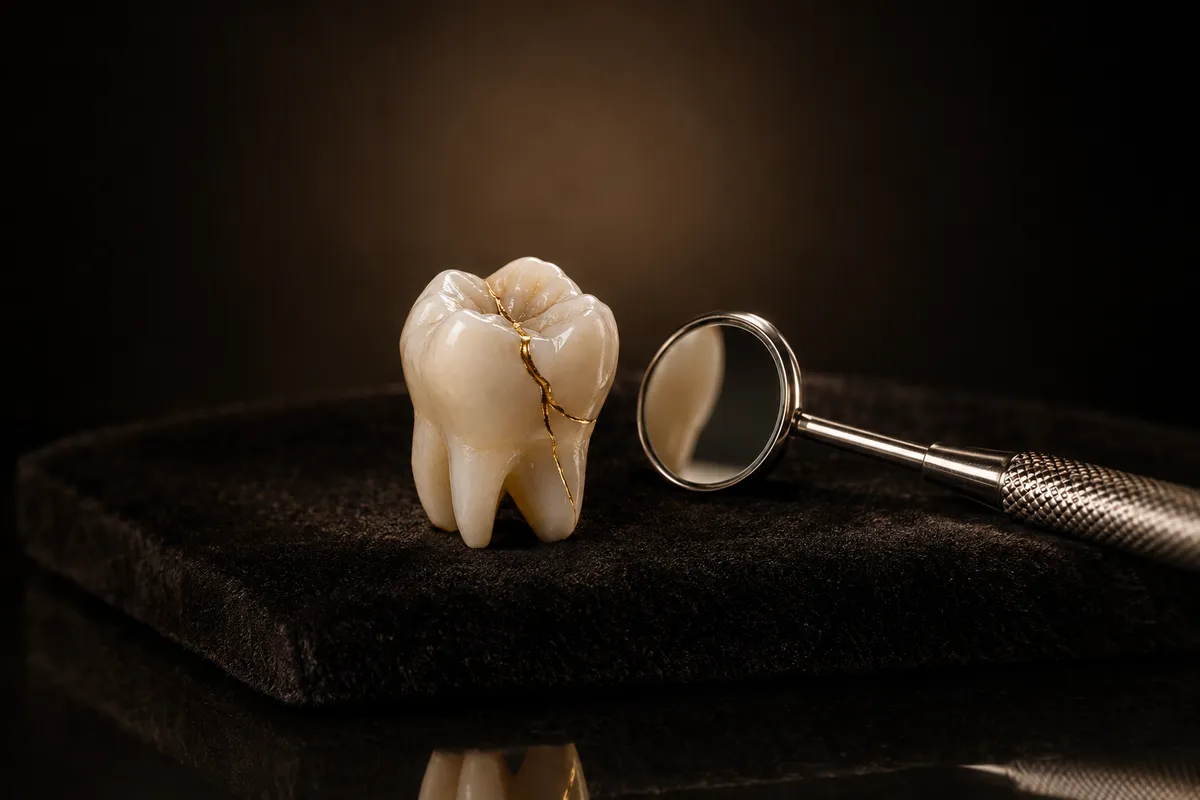
- a cracked, chipped or broken tooth
- a tooth that has been knocked out or pushed out of place
- a filling or crown that is loose or has fallen out
- bleeding in your mouth that is slow to stop
Call 911 or go to a hospital emergency room for a medical emergency, such as:
- swelling that spreads toward your eye or neck, or makes it hard to breathe or swallow
- a high fever with facial swelling
- bleeding you can't control with firm pressure
- a serious injury to your face, jaw or head
Our website, chat and online forms are not emergency services, so please don't use them to report an urgent problem.
What emergency dental care involves
The first goal is to find the cause of the problem and relieve your pain. The next is to stop infection or further damage and protect the tooth. Sometimes that means a temporary fix at the first visit and a lasting repair at a later one. Depending on what we find, care may include:
- Toothache: a filling, root canal treatment or, when a tooth can't be saved, an extraction.
- Abscess: treating the source of the infection, which may mean draining it, root canal treatment or removing the tooth. Antibiotics are prescribed when they're needed, but on their own they don't remove the cause.
- Broken or chipped tooth: smoothing a sharp edge, a tooth-colored filling or bonding, or a crown for a larger break.
- Lost filling or crown: replacing the filling, or cementing the crown back in place if the crown and the tooth are in good condition.
- Knocked-out tooth: putting the tooth back in its socket and stabilizing it, when that's possible.
Root canal treatment is another of Dr. Avner's areas of focus. Our practice also has an on-site dental laboratory that we use for restorations such as crowns, so if your tooth needs one, we'll explain the timing for your case.
Why prompt care matters and what to expect
Pain that fades doesn't always mean the problem is gone, because an infected nerve can stop hurting while the infection continues. Prompt care can ease pain sooner, keep an infection from spreading and give a damaged tooth a better chance of being saved. A small crack treated early may need a simpler repair than one left until the tooth splits.
We can't promise an appointment on the day you call, but we'll look for the earliest available time during office hours. We're open on Sundays and until 8 PM on Mondays and Thursdays, and closed on Saturdays. Dr. Avner speaks English, Spanish, Russian and Farsi.
At the visit, we examine the area, take X-rays if needed and explain what we found. Before we start treatment, we go over your options and the fees, and you're welcome to ask questions at every step. If you take any medications, bring a list.
What happens from your call to your follow-up
- Call the office. Tell us what happened, where it hurts and when it started, so we can judge how urgent it is and look for the earliest available time.
- Protect the area until your visit. Rinse with warm water and hold a cold compress against your cheek for swelling. Take an over-the-counter pain reliever only as the label directs, and don't put aspirin on the gum, because it can burn the tissue. Save any broken pieces of tooth, or a crown that came off, and bring them with you.
- Exam and X-rays. Dr. Avner examines the tooth and the area around it and takes X-rays if needed to find the cause.
- Relief and first treatment. We focus on easing your pain and stabilizing the problem, with local anesthetic when the treatment calls for it.
- A plan for lasting repair. If the tooth needs more work, such as a crown or a root canal, we explain the options and schedule the next steps.
- Follow-up. We check that the area is healing and that your bite feels right.
YOUR DENTIST
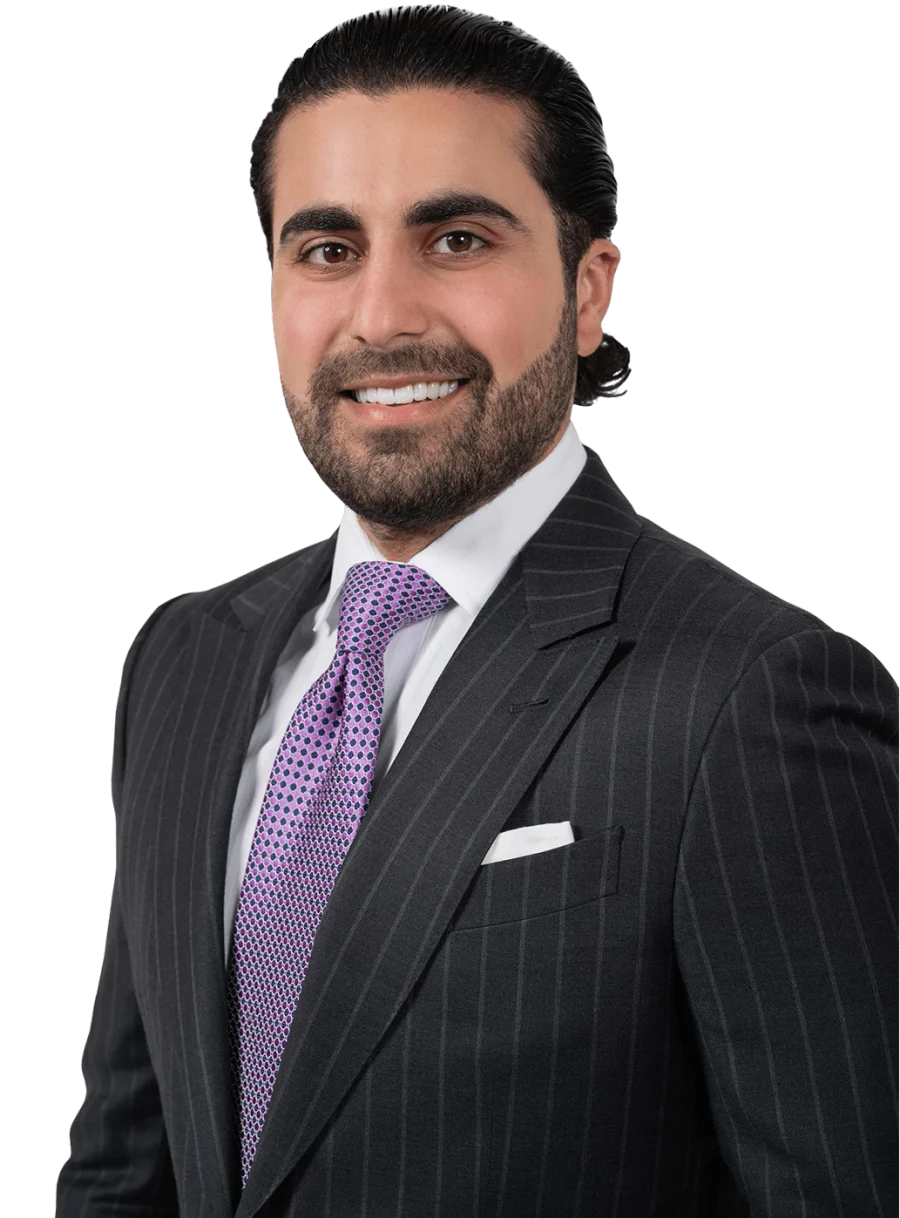
Dr. Avner C. Mullokandov
D.D.S., FICOI, FAAIP
Dr. Avner C. Mullokandov, D.D.S., is a cosmetic and implant dentist and a native New Yorker practicing on Madison Avenue in Manhattan. He speaks English, Spanish, Russian and Farsi.
Read Dr. Avner’s profileCOST, INSURANCE AND PAYMENT
Cost, insurance and payment
The cost of an urgent visit depends on the exam, any X-rays and the treatment you need, and we'll explain fees before we begin. Coverage depends on your dental plan, so ask your insurer what it covers for emergency exams and treatment.
We accept 20 insurance carriers, listed on our insurance page. Being on the list doesn't guarantee coverage, because benefits depend on each plan. You can pay with cash, a check or a major credit card, and payment plans through Cherry are available, subject to Cherry's approval. See payment plans for details.
QUESTIONS
Frequently asked questions
What should I do if a tooth gets knocked out?
Pick up the tooth by the crown, the part you normally see, not by the root. If it's dirty, rinse it briefly with milk or water without scrubbing. If you can, gently put it back in the socket and bite on a clean cloth to hold it. If not, keep it in milk, or for an adult, in the mouth between cheek and gum, and get dental care right away, because time matters. If we're closed, go to a hospital emergency room. Don't put a baby tooth back in, but do call the office.
What should I do if the office is closed?
If you have signs of a medical emergency, such as swelling that affects breathing or swallowing, call 911. For other problems, follow the steps above to protect the area and call the office when we open. You can also request an appointment online, and our front desk will call you back, but a request is not a confirmed appointment.
Should I go to the ER for a toothache?
Go to the emergency room, or call 911, if you have spreading facial swelling, trouble breathing or swallowing, a high fever or a serious injury. Hospital emergency rooms can treat serious infections and injuries, but they usually can't repair the tooth itself, so you'll still need a dental visit afterward.
What should I do if my crown comes off?
Keep the crown somewhere safe and bring it to your visit. Don't use household glue to reattach it, and avoid chewing on that side until we see you. If the crown and the tooth underneath are in good condition, we may be able to cement it back in place; if not, we'll talk with you about a new crown.
Will antibiotics fix a tooth infection?
Antibiotics can help control an infection that is spreading, but they don't remove its source, which is usually inside the tooth or under the gum. The tooth still needs treatment, such as draining the abscess, a root canal or an extraction. Only a dentist or doctor who has examined you can decide whether you need antibiotics.
Related treatments
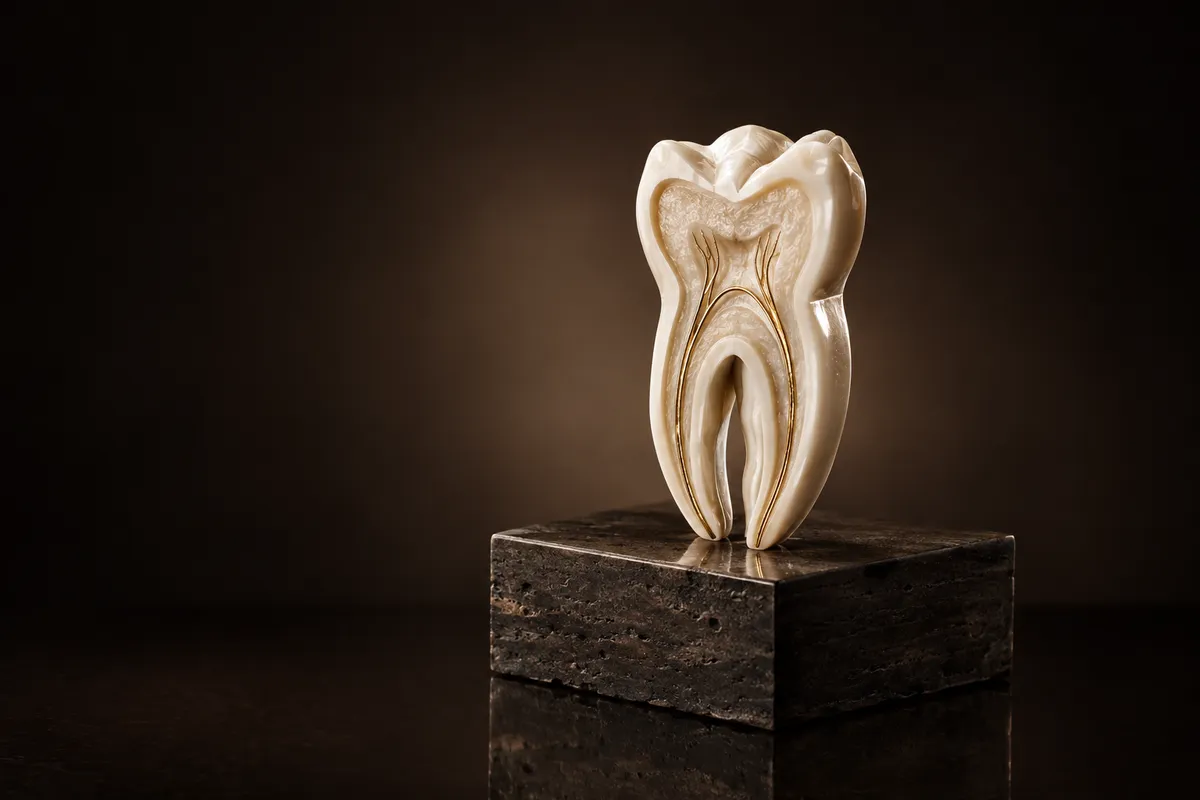
Root canal treatment
When the nerve inside a tooth is inflamed or infected, root canal treatment can clear the problem and let you keep your own tooth.
Tooth extraction
When a tooth cannot be saved, a careful extraction removes the source of pain and infection and lets the area heal.
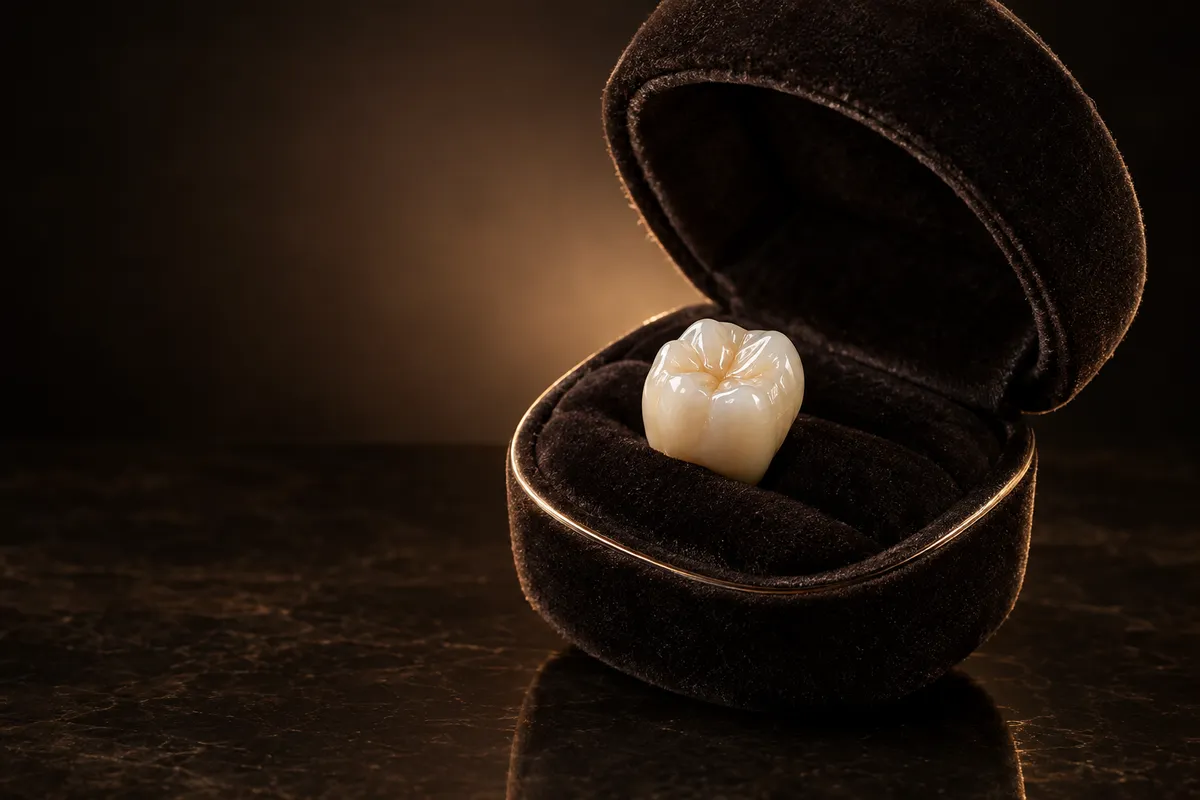
Dental crowns
Custom crowns that protect cracked, worn or weakened teeth and restore the way they look and work.
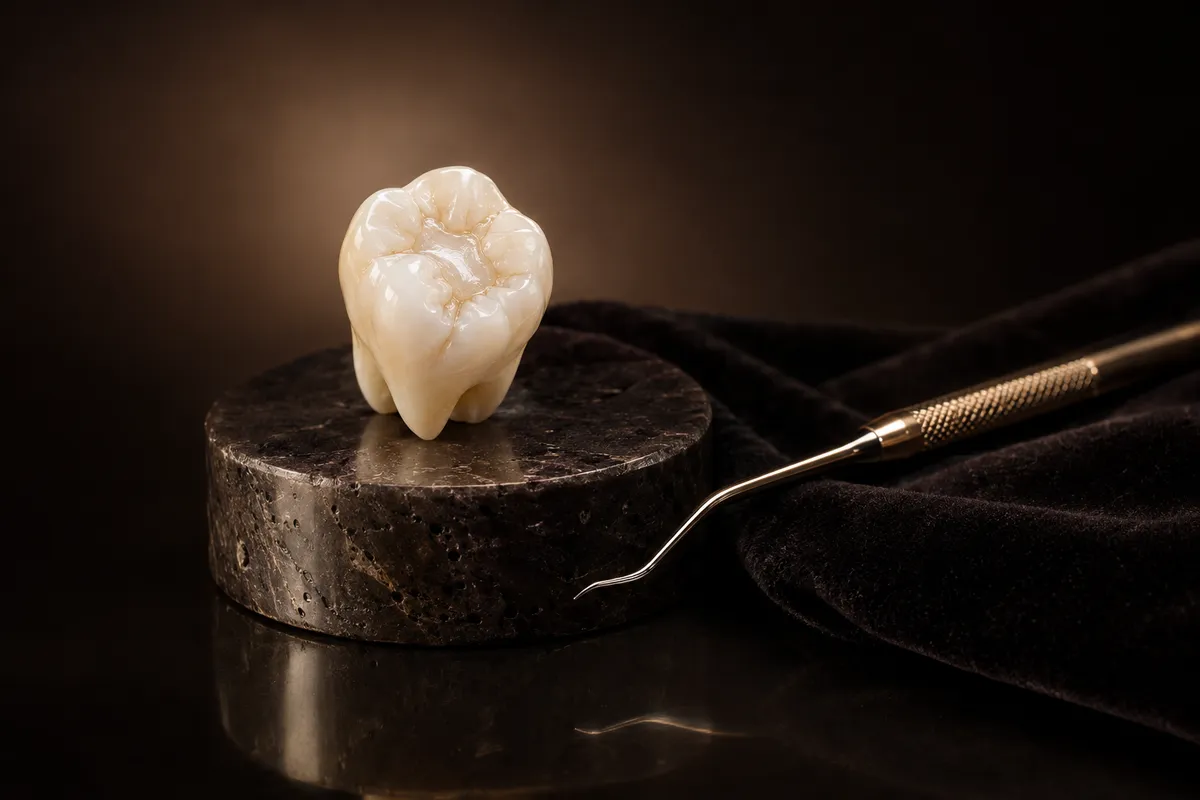
Dental fillings
Tooth-colored fillings that repair cavities and restore your tooth's shape, shaded to blend in with the teeth around them.
VISIT US
Talk with us about emergency dental care.
Request an appointment online or call the office. A request is not a confirmed appointment; our front desk will contact you.
Dentist on Madison
274 Madison Ave, Rm 202, New York, NY 10016Madison Avenue at East 40th Street, Midtown Manhattan
- Monday & Thursday
- 12 PM to 8 PM
- Tuesday
- 11 AM to 5 PM
- Wednesday
- 10 AM to 6 PM
- Friday
- 8 AM to 5 PM
- Sunday
- 10 AM to 5 PM
- Saturday
- Closed